
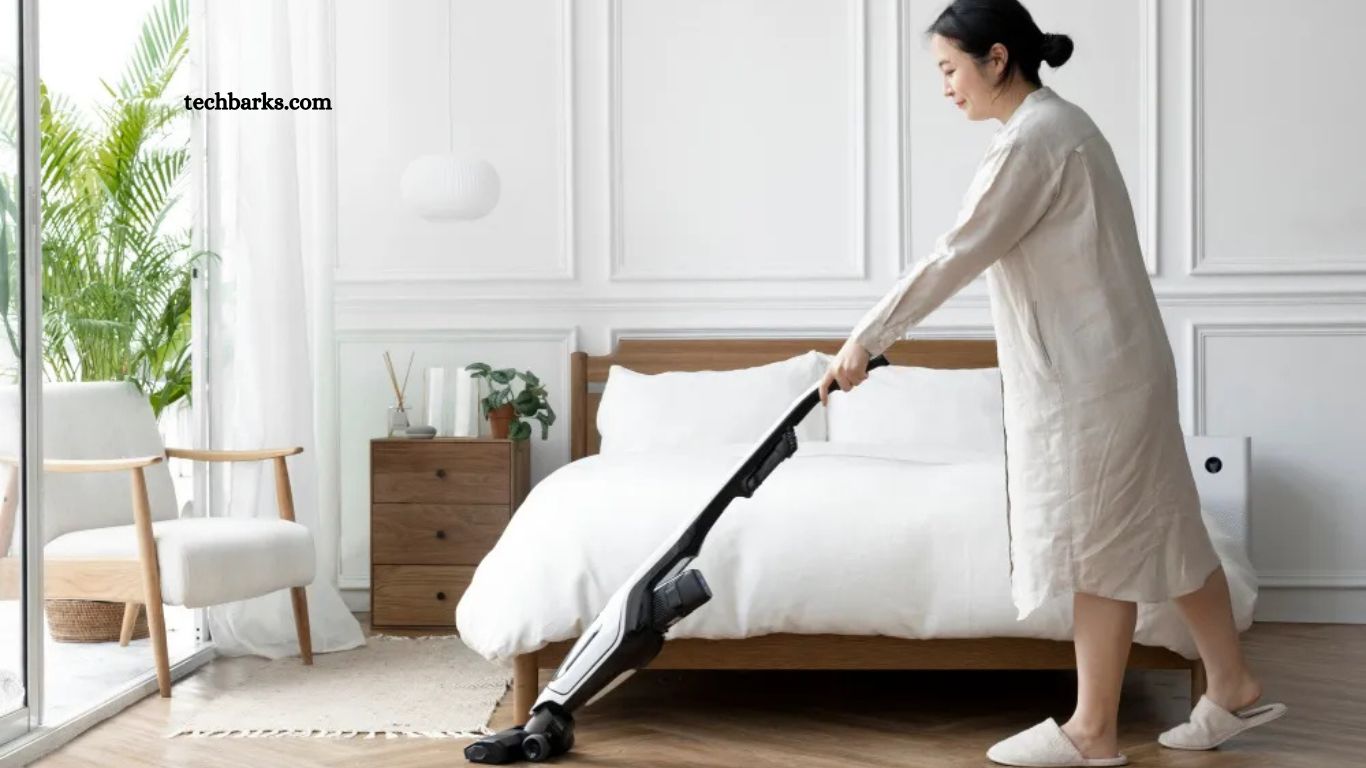
A minimalist lifestyle focuses on living with intention, removing excess, and prioritizing what truly matters. It reduces physical clutter, mental overload, and financial pressure. Modern life often brings distraction,
Consumption pressure and constant noise. Minimalism offers clarity, balance, and purpose-driven living. Core idea: fewer possessions, more meaning.
Read More: Time Management Tips for Better Living
Key Benefits of a Minimalist Lifestyle
Mental Clarity and Focus
Minimalism removes unnecessary distractions. Clean spaces support clear thinking. Fewer possessions reduce decision fatigue. Mind becomes sharper, more focused on essential tasks.
Reduced Stress Levels
Cluttered environments increase stress. Minimalist surroundings create a calm atmosphere. Simple spaces support emotional stability. Less chaos leads to improved mental peace.
Financial Freedom
Minimalist living reduces unnecessary spending. Buying fewer items increases savings. Focus shifts from consumption to value-based purchases. Financial pressure decreases significantly over time.
Improved Productivity
A simple environment improves efficiency. Fewer distractions increase task completion speed. Organized space supports better workflow. Time management becomes easier.
Better Physical Space Management
Minimal possessions free up living space. Homes feel larger, cleaner, and more functional. Organization becomes simple and sustainable.
Environmental Impact Reduction
Lower consumption reduces waste generation. Minimalism supports sustainable lifestyle choices. Less production demand helps environmental preservation.
Practical Tips for a Minimalist Lifestyle
Start With Decluttering
Remove unused items from home. Focus on clothes, gadgets, and papers. Keep only useful or meaningful belongings. Follow simple rule: if unused 6–12 month e remove it.
Follow Ofor ne-In One-Out Rule
Every new item replaces an old one. Prevents the accumulation of unnecessary objects. Maintains balance in possessions.
Prioritize Quality Over Quantity
Choose durable, long-lasting products. Avoid impulse buying. Invest in items with real value.
Simplify Daily Routine
Reduce unnecessary tasks. Create a structured daily schedule. Focus on essential activities only.
Digital Minimalism
Organize digital files, apps, and emails. Remove unused applications. Limit screen time. Unsubscribe from irrelevant notifications.
Create a Clean Living Space
Design a simple home layout. Use minimal furniture. Keep surfaces clear. Maintain regular cleaning habits.
Practice Mindful Consumption
Ask before purchase: need or want? Delay buying decisions. Avoid emotional shopping.
Set Clear Life Priorities
Define important goals. Align lifestyle with values. Remove distractions blocking progress.
Minimalist Mindset Development
Minimalism is not only a physical practice, but a mindset shift. Focus moves from ownership to experience. Happiness is derived from relationships, growth, health, and learning.
Less comparison, more self-awareness. Consistency builds strong minimalist habit. Small steps create long-term transformation.
Common Mistakes to Avoid
- Extreme restriction leading to discomfort
- Throwing items without planning
- Ignoring personal comfort needs
- Copying others’ lifestyles blindly
- Expecting instant results
A balanced approach creates sustainable minimalism.
Frequently Asked Questions
What is a minimalist lifestyle?
A minimalist lifestyle is a way of living with fewer possessions and focusing on essential needs and meaningful experiences.
What are the main benefits of minimalism?
It improves mental clarity, reduces stress, saves money, and increases overall productivity.
Is minimalism only about removing things?
No, it also focuses on mindful living, better choices, and valuing quality over quantity.
How to start minimalism at home?
Start by decluttering unused items and keeping only useful or meaningful belongings.
Does minimalism save money?
Yes, it reduces unnecessary purchases and helps build better financial habits.
Can anyone follow a minimalist lifestyle?
Yes, it is flexible and can be adapted by anyone based on personal needs and comfort.
Conclusion
A minimalist lifestyle improves mental clarity, financial stability, and life satisfaction. It removes unnecessary complexity and builds a meaningful living structure. Simple changes in habits, consumption, and environment lead to powerful transformation. Start small. Declutter step by step.
