
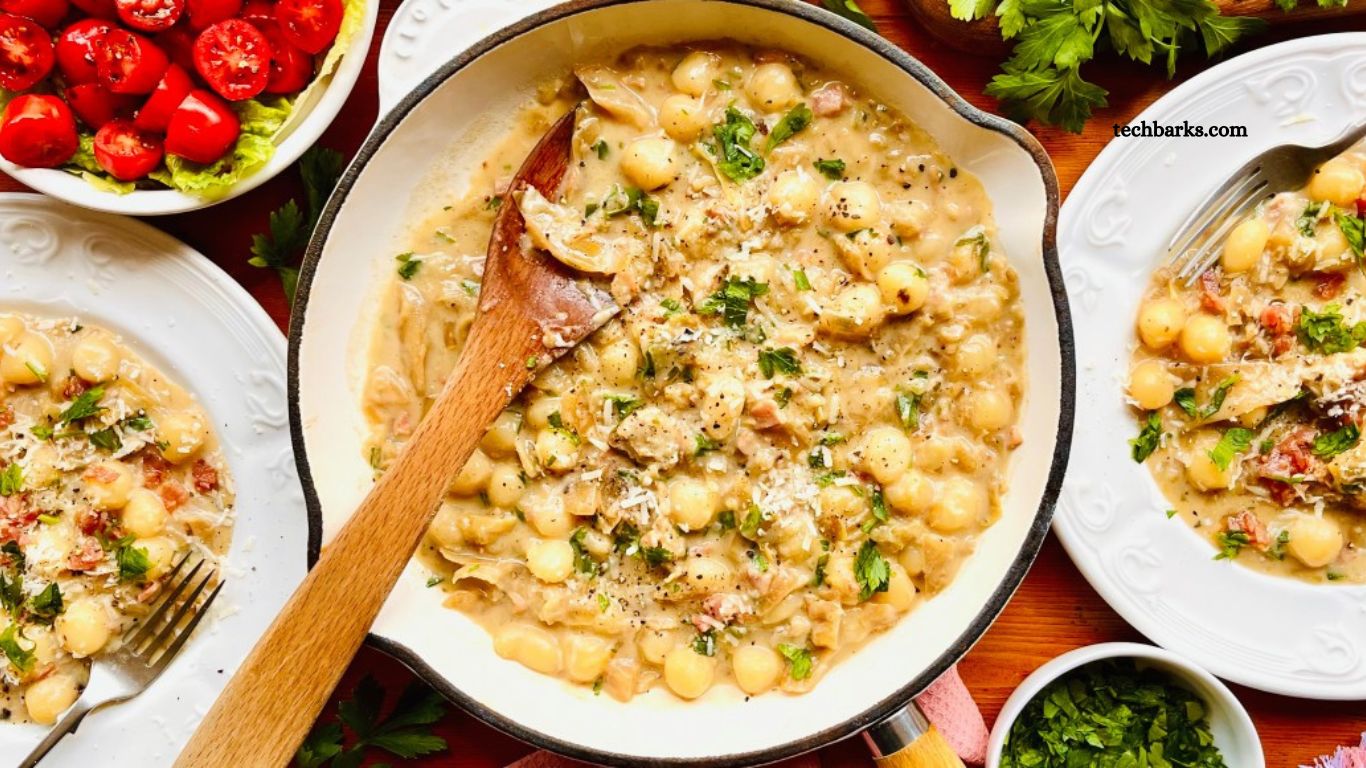
Traditional foods continue to hold a special place in modern lifestyles even in 2026. Despite rapid changes in food technology, global fusion cuisine, and fast-paced living,
People still return to classic recipes rooted in culture, heritage, and family traditions. These dishes carry memories, identity, and comfort that modern meals often cannot replace.
Read More: Easy Weight Loss Recipes That Actually Work
Why Traditional Foods Remain Popular
Traditional foods stay relevant because they offer more than taste. They represent history, community, and emotional connection. Many people prefer these meals due to their natural ingredients, simple preparation methods, and authentic flavors.
Health awareness also plays a major role. Home-cooked traditional meals often contain fewer preservatives and more balanced nutrition compared to processed food. This shift toward natural eating habits has increased demand for cultural dishes worldwide.
Timeless Traditional Foods Loved in 2026
Rice-Based Dishes
Rice remains a global staple. From South Asian biryani to East Asian fried rice, these dishes continue to dominate dining tables. Their versatility allows endless variations with vegetables, meat, and spices.
Flatbreads
Flatbreads such as roti, naan, tortilla, and pita are still widely consumed. Their simplicity and compatibility with different curries, dips, and fillings keep them relevant across cultures.
Soups and Broths
Traditional soups like chicken broth, miso soup, and lentil soup remain popular for their warmth and nutritional value. They are especially preferred in colder seasons and for wellness-focused diets.
Fermented Foods
Fermented items like yogurt, kimchi, pickles, and kefir continue to gain attention in 2026 due to their probiotic benefits. These foods support digestion and strengthen immunity naturally.
Slow-Cooked Stews
Stews prepared with long cooking methods remain a favorite in many households. Dishes such as beef stew, lamb curry, and vegetable pot roast deliver deep flavor and comfort.
Traditional Sweets
Classic desserts like rice pudding, gulab jamun, baklava, and apple pie continue to be enjoyed during celebrations. Their recipes are passed through generations, preserving cultural identity.
Cultural Influence on Modern Eating
Globalization has not reduced the value of traditional foods. Instead, it has increased curiosity about them. Many restaurants now combine traditional recipes with modern presentation. Social media also plays a role in reviving old dishes, making them visible to younger generations.
Families continue to preserve recipes as a way of staying connected to their roots. Even people living abroad often recreate traditional meals to feel closer to home.
Frequently Asked Questions
Why are traditional foods still popular in 2026?
They offer authentic taste, cultural connection, and healthier home-cooked ingredients.
Are traditional foods healthier than fast food?
Yes, most traditional foods use natural ingredients and fewer preservatives than processed meals.
Which traditional foods are most common worldwide?
Rice dishes, flatbreads, soups, stews, fermented foods, and traditional sweets.
Do young people still eat traditional foods?
Yes, many young people enjoy them due to cultural pride and social media influence.
Are traditional foods changing with modern trends?
Yes, many recipes are now adapted with healthier or fusion-style ingredients.
Can traditional foods be part of a modern diet?
Yes, they fit well into modern diets when prepared with balanced nutrition.
Conclusion
Traditional foods remain powerful in 2026 because they represent more than nourishment. They carry culture, memory, and identity. While food trends evolve, these timeless dishes continue to thrive across generations. Their simplicity, flavor, and emotional value ensure they will stay loved for years ahead.
