
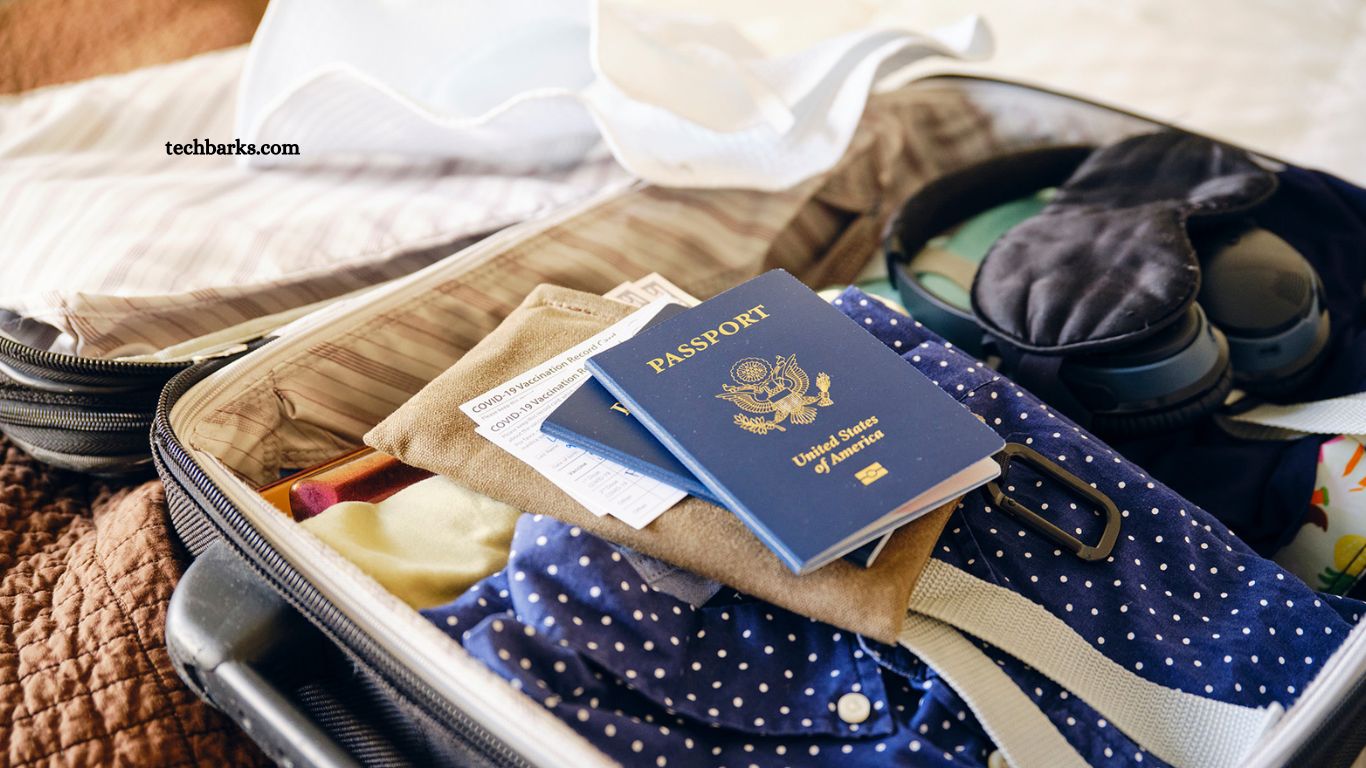
Packing plays a major role in the travel experience. Smart packing reduces stress, saves time, and improves comfort throughout the journey.
A well-prepared suitcase helps travelers avoid last-minute confusion and unnecessary baggage issues. This guide provides practical, SEO-optimized travel packing tips for stress-free trips.
Read More: Best Weekend Getaways for Quick Trips: Refreshing Escapes for Every Traveler
Start with a Smart Packing Plan
Preparation begins before opening the suitcase. Create a clear checklist based on destination, weather, trip duration, and planned activities. This simple step prevents overpacking and missing essentials.
- Identify travel purpose: business, leisure, adventure..
- Check the weather forecast for the destination
- List essential items first, then add extras
- Keep the checklist digital or on paper for easy tracking
A structured plan ensures organized packing and efficient decision-making.
Choose the Right Luggage
Selecting suitable luggage improves mobility and organization. Lightweight, durable bags reduce physical strain and protect belongings.
Key factors to consider:
- Hard-shell suitcase for fragile items
- Cabin bag for short trips
- Backpack for flexible travel
- Wheels and handles for smooth movement
Proper luggage selection supports hassle-free travel flow.
Use Packing Cubes for Organization
Packing cubes improve space utilization and keep items separated. They allow quick access without unpacking everything.
Benefits include:
- Categorized storage for clothes and accessories
- Reduced wrinkles in garments
- Easier repacking during the return journey
- Maximized suitcase space
This method enhances overall travel efficiency.
Follow the Rolling Technique
Rolling clothes instead of folding saves space and minimizes wrinkles. This technique also helps fit more items in a limited luggage space.
Best items for rolling:
- T-shirts
- Jeans
- Casual wear
- Light fabrics
For formal clothing, use protective layering or garment folders.
Pack According to Outfit Strategy
Instead of packing random clothes, plan outfits per day. This reduces excess baggage and simplifies daily dressing decisions.
Tips:
- Choose mix-and-match clothing
- Stick to neutral color combinations
- Limit shoes to two or three pairs
- Avoid “just in case” items
Outfit planning ensures lightweight and practical packing.
Keep Essentials in Carry-On Bag
A carry-on bag should include important items for safety and convenience.
Must-have items:
- Travel documents and ID
- Phone and charger
- Basic toiletries
- One change of clothes
- Medication if required
This ensures readiness during delays or baggage loss situations.
Use Travel-Sized Toiletries
Full-size bottles take unnecessary space. Travel-sized containers improve portability and meet airline regulations.
Recommendations:
- Refillable small bottles
- Solid shampoo and soap bars
- Compact grooming kit
- Minimal makeup essentials
Light toiletries reduce luggage weight significantly.
Pack Smart Accessories
Accessories improve comfort during travel without occupying much space.
Useful items:
- Universal travel adapter
- Reusable water bottle
- Lightweight scarf or shawl
- Foldable bag for extra storage
These small additions improve travel convenience.
Avoid Overpacking Mistakes
Overpacking leads to discomfort and extra costs. Focus on essentials only.
Common mistakes to avoid:
- Packing unused footwear
- Carrying excessive clothing
- Ignoring luggage weight limits
- Forgetting destination climate
Minimalist packing creates a stress-free travel experience.
Frequently Asked Questions
What is the best way to start packing for a trip?
Start with a checklist based on destination, weather, and trip duration.
How can I save space in my luggage?
Use packing cubes and roll clothes instead of folding them.
What should I always keep in my carry-on bag?
Keep travel documents, phone, charger, medicine, and a change of clothes.
How many outfits should I pack for a week’s trip?
Pack 5–7 mix-and-match outfits depending on activities.
Are travel-sized toiletries really necessary?
Yes, they save space, reduce weight, and meet airline rules.
What is the biggest packing mistake to avoid?
Overpacking unnecessary items that you are unlikely to use.
Conclusion
Smart packing creates a smooth and stress-free travel experience. Proper planning, organized luggage, and careful selection of essentials help reduce unnecessary weight and confusion. By following simple packing strategies like using packing cubes, choosing versatile outfits, and carrying only what is needed, travelers can enjoy more comfort and freedom during their journey.
