
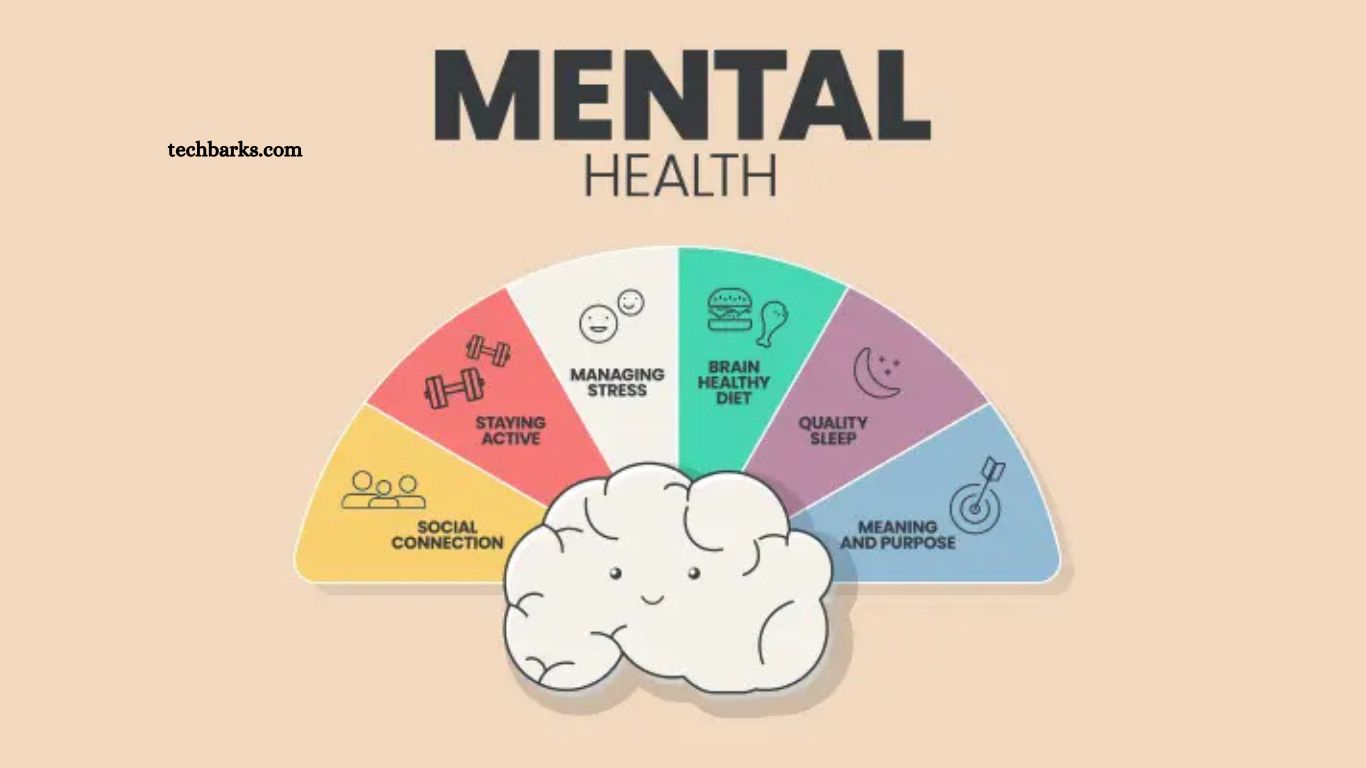
Stress and anxiety affect millions of people every day. Fast-paced lifestyles, work pressure, financial concerns, health challenges, and personal responsibilities often contribute to emotional strain. While occasional stress is a natural response to life events, chronic stress and persistent anxiety can impact mental, emotional, and physical well-being.
Developing healthy habits can help improve emotional balance, increase resilience, and support long-term mental wellness. This guide explores practical mental health tips to reduce stress and anxiety while promoting a healthier, more fulfilling life.
Read More: Best Ways to Stay Healthy Without Medicines
Understanding Stress and Anxiety
Stress is the body’s reaction to challenges or demands. Anxiety is a feeling of worry, fear, or unease that may occur with or without a specific trigger. Although these experiences are common, unmanaged stress and anxiety can lead to sleep disturbances,
Fatigue, reduced concentration, mood changes, and other health concerns. Recognizing early signs allows proactive action before symptoms become overwhelming.
Practice Mindful Breathing
Deep breathing exercises help calm the nervous system and reduce feelings of tension. Controlled breathing encourages relaxation and improves focus.
Simple Breathing Technique
- Sit comfortably.
- Inhale slowly through the nose for four seconds.
- Hold for four seconds.
- Exhale gently through the mouth for six seconds.
- Repeat for five minutes.
Regular breathing exercises can lower stress levels and create a sense of calm.
Maintain a Healthy Sleep Routine
Quality sleep plays a crucial role in mental health. Poor sleep often increases stress, irritability, and anxious thoughts.
Tips for Better Sleep
- Follow a consistent sleep schedule.
- Limit screen exposure before bedtime.
- Create a comfortable sleeping environment.
- Avoid caffeine late in the day.
- Develop a relaxing evening routine.
Adequate rest helps improve mood, concentration, and emotional stability.
Stay Physically Active
Exercise supports both physical and mental well-being. Physical activity releases endorphins, often called “feel-good” hormones, which help improve mood and reduce anxiety.
Effective Activities
- Walking
- Running
- Cycling
- Swimming
- Yoga
- Strength training
Even 30 minutes of moderate exercise several times a week can make a noticeable difference.
Follow a Balanced Diet
Nutrition directly influences mental wellness. A healthy diet supports brain function and emotional regulation.
Foods That Support Mental Health
- Fresh fruits
- Vegetables
- Whole grains
- Lean proteins
- Nuts and seeds
- Fatty fish rich in omega-3 fatty acids
Reducing processed foods and excessive sugar intake may help maintain stable energy and mood levels.
Limit Information Overload
Constant exposure to negative news, social media updates, and digital distractions can increase stress and anxiety.
Healthy Digital Habits
- Set daily screen-time limits.
- Take regular technology breaks.
- Follow positive and educational content.
- Avoid checking the news excessively.
Creating boundaries around media consumption promotes emotional balance.
Build Strong Social Connections
Meaningful relationships provide emotional support during challenging times. Sharing thoughts and feelings with trusted friends, family members, or support groups can reduce feelings of isolation.
Benefits of Social Support
- Improved emotional resilience
- Greater sense of belonging
- Reduced stress levels
- Enhanced self-confidence
Healthy connections contribute significantly to overall mental wellness.
Practice Gratitude Daily
Focusing on positive aspects of life can shift attention away from worry and negativity.
Gratitude Ideas
- Keep a gratitude journal.
- Write down three positive experiences each day.
- Express appreciation to loved ones.
- Celebrate small achievements.
Consistent gratitude practice can improve emotional well-being and foster a positive mindset.
Learn Time Management Skills
Poor time management often contributes to unnecessary stress. Organizing responsibilities can create greater control and reduce feelings of overwhelm.
Time Management Strategies
- Prioritize important tasks.
- Break large projects into smaller steps.
- Use calendars and planning tools.
- Set realistic goals.
- Schedule regular breaks.
Structured planning promotes productivity and mental clarity.
Engage in Relaxation Activities
Relaxation techniques help lower stress hormones and support emotional recovery.
Popular Relaxation Methods
- Meditation
- Yoga
- Reading
- Listening to music
- Nature walks
- Creative hobbies
Regular relaxation activities can strengthen emotional resilience and improve overall happiness.
Seek Professional Support When Needed
Persistent anxiety, overwhelming stress, or emotional difficulties may require professional guidance. Mental health professionals can provide effective coping strategies and personalized treatment plans.
Seeking help demonstrates strength and commitment to personal well-being.
Signs Professional Support May Be Helpful
- Constant worry or fear
- Difficulty sleeping
- Persistent sadness
- Panic attacks
- Reduced daily functioning
- Social withdrawal
Early intervention often leads to better outcomes and improved quality of life.
Long-Term Benefits of Stress Management
Implementing healthy mental wellness practices can provide lasting benefits, including:
- Better emotional regulation
- Improved focus and productivity
- Enhanced relationships
- Greater self-confidence
- Better physical health
- Increased life satisfaction
Small daily actions often create significant improvements over time.
Frequently Asked Questions
What causes stress and anxiety?
Stress and anxiety can result from work pressure, financial concerns, health issues, relationship challenges, or major life changes.
Can exercise help reduce anxiety?
Yes. Regular physical activity releases endorphins, improves mood, and helps lower anxiety levels.
How much sleep is needed for good mental health?
Most adults need 7–9 hours of quality sleep each night for optimal mental and emotional well-being.
Does meditation reduce stress?
Yes. Meditation promotes relaxation, improves focus, and helps manage stressful thoughts.
When should professional help be considered?
Professional support may be helpful when stress or anxiety begins affecting daily activities, sleep, work, or relationships.
Can a healthy diet improve mental wellness?
Yes. Nutrient-rich foods support brain function, stabilize mood, and contribute to better mental health.
Conclusion
Managing stress and anxiety requires consistent effort and healthy lifestyle choices. Mindful breathing, quality sleep, regular exercise, balanced nutrition, social support, gratitude, and relaxation practices can significantly improve mental well-being. By adopting these habits and seeking professional support when necessary, individuals can build resilience, reduce anxiety, and enjoy a healthier, more balanced life.
