
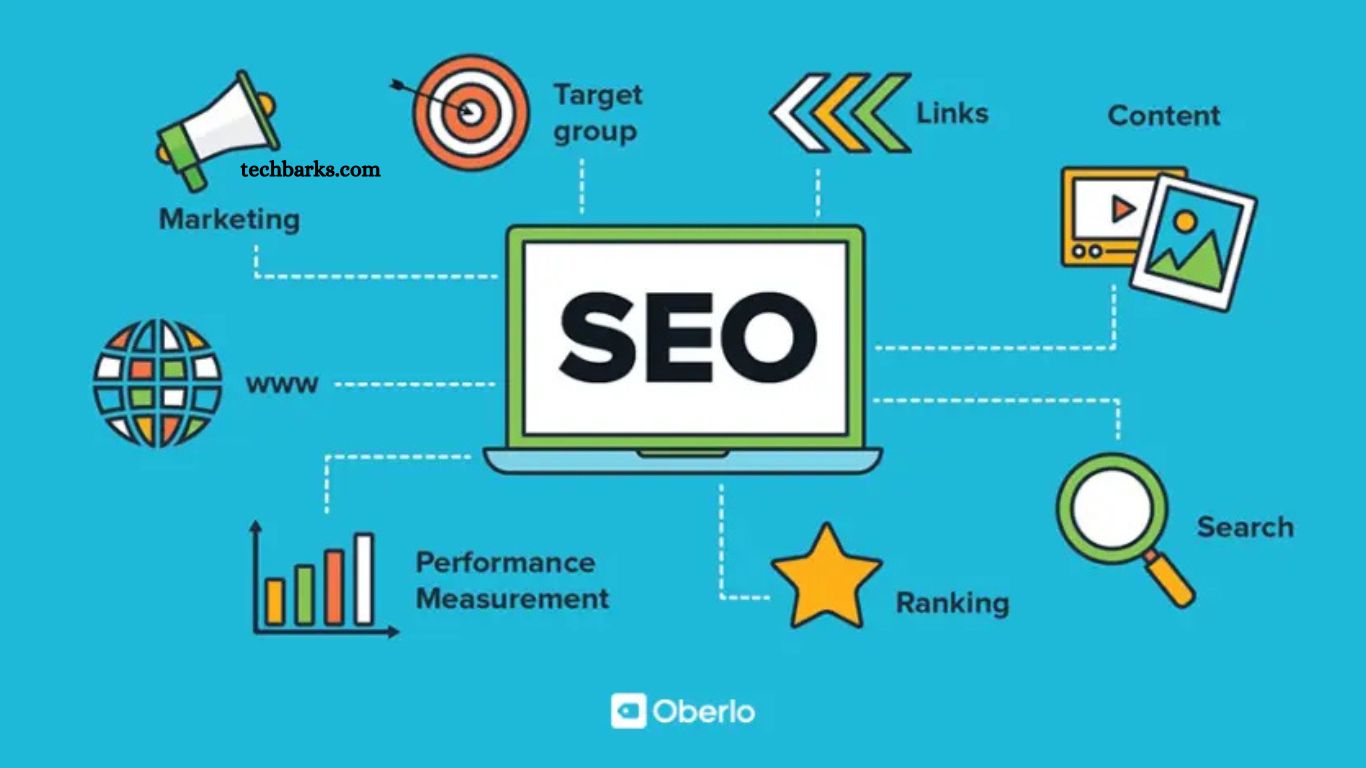
Search engine optimization shapes online visibility, traffic growth, and business success. Achieving a top position on Google requires strategic planning, consistent effort, and a deep understanding of ranking factors. Modern SEO focuses on user intent, high-quality content, technical performance, and authority building.
Strong optimization improves search rankings, increases organic traffic, and builds credibility. Effective SEO strategies help websites outperform competitors, attract a targeted audience, and drive long-term results. This guide explores proven methods, practical techniques, and actionable insights designed to help websites secure the #1 position on Google search results.
Read More: Complete Guide to Digital Marketing in 2026
Master Search Intent
Ranking success begins with understanding user intent. Every search query reflects a purpose:
- Informational (learn something)
- Navigational (find specific site)
- Transactional (buy or act)
Action Steps:
- Analyze top-ranking pages for the target keyword
- Match content format (guide, list, review, landing page)
- Deliver the exact value the user expects
Content aligned with intent earns higher engagement, lower bounce rate, and stronger rankings.
Perform Smart Keyword Research
Strong keyword strategy drives visibility. Focus on relevance, competition level, and search volume.
Key Tips:
- Target long-tail keywords (lower competition, higher conversion)
- Use semantic keywords (related terms, variations)
- Prioritize keywords with clear intent
Example:
Instead of: SEO tips
Use: best SEO strategies for beginners 2026
Create High-Quality Content
Content remains a core ranking factor. Google rewards useful, original, in-depth material.
Content Essentials:
- Clear structure (headings, short paragraphs)
- Simple language, human tone
- Real examples, actionable advice
- Updated information
Pro Tip:
Write for humans first, search engines second.
Optimize On-Page SEO
On-page optimization helps search engines understand content.
Critical Elements:
- Title tag (include primary keyword)
- Meta description (engaging, click-worthy)
- Header tags (H1, H2, H3 structure)
- URL structure (short, keyword-focused)
- Internal linking (connect related pages)
Example:
Bad URL: /page123?id=45
Good URL: /seo-strategies-rank-google
Improve Website Speed
Page speed directly impacts rankings and user experience.
Optimization Methods:
- Compress images
- Use fast hosting
- Enable caching
- Minimize code (CSS, JavaScript)
Fast-loading pages reduce bounce rate and increase engagement.
Mobile Optimization
Mobile-first indexing means Google evaluates the mobile version first.
Must-Have Features:
- Responsive design
- Fast mobile loading
- Easy navigation
Mobile-friendly sites gain a ranking advantage.
Build High-Quality Backlinks
Backlinks signal authority and trust.
Effective Link Building:
- Guest posting
- Create shareable content (guides, infographics)
- Outreach to relevant websites
- Earn links naturally through value
Focus on quality over quantity.
Use Technical SEO
Technical foundation ensures search engines crawl and index the site efficiently.
Key Areas:
- XML sitemap
- Robots.txt optimization
- Fix broken links
- Improve site architecture
- Use HTTPS
Clean structure boosts visibility.
Optimize for Featured Snippets
Featured snippets increase visibility and traffic.
Strategy:
- Answer questions clearly
- Use bullet points, numbered lists
- Include concise definitions
Example:
“What is SEO?” → Provide a short, direct answer.
Track Performance and Improve
SEO requires continuous optimization.
Tools to Use:
- Google Analytics
- Google Search Console
Monitor:
- Organic traffic
- Keyword rankings
- Click-through rate (CTR)
- Bounce rate
Adjust strategy based on data insights.
Frequently Asked Questions
What is the most important SEO factor?
High-quality content aligned with user intent remains the most important factor.
How long does SEO take to show results?
SEO usually takes 3–6 months to show noticeable improvements.
Are backlinks still important for SEO?
Yes, high-quality backlinks significantly improve website authority and rankings.
What are long-tail keywords?
Long-tail keywords are specific search phrases with lower competition and higher conversion rates.
Does website speed affect rankings?
Yes, faster websites improve user experience and rank higher on Google.
Can I do SEO without technical knowledge?
Yes, basic SEO can be implemented easily, but technical SEO helps achieve better results.
Conclusion
Ranking #1 on Google demands a strategic approach, consistent effort, and a user-focused mindset. Combine keyword research, quality content, technical optimization, and strong backlinks for the best results. Success comes from delivering real value, not shortcuts.
