
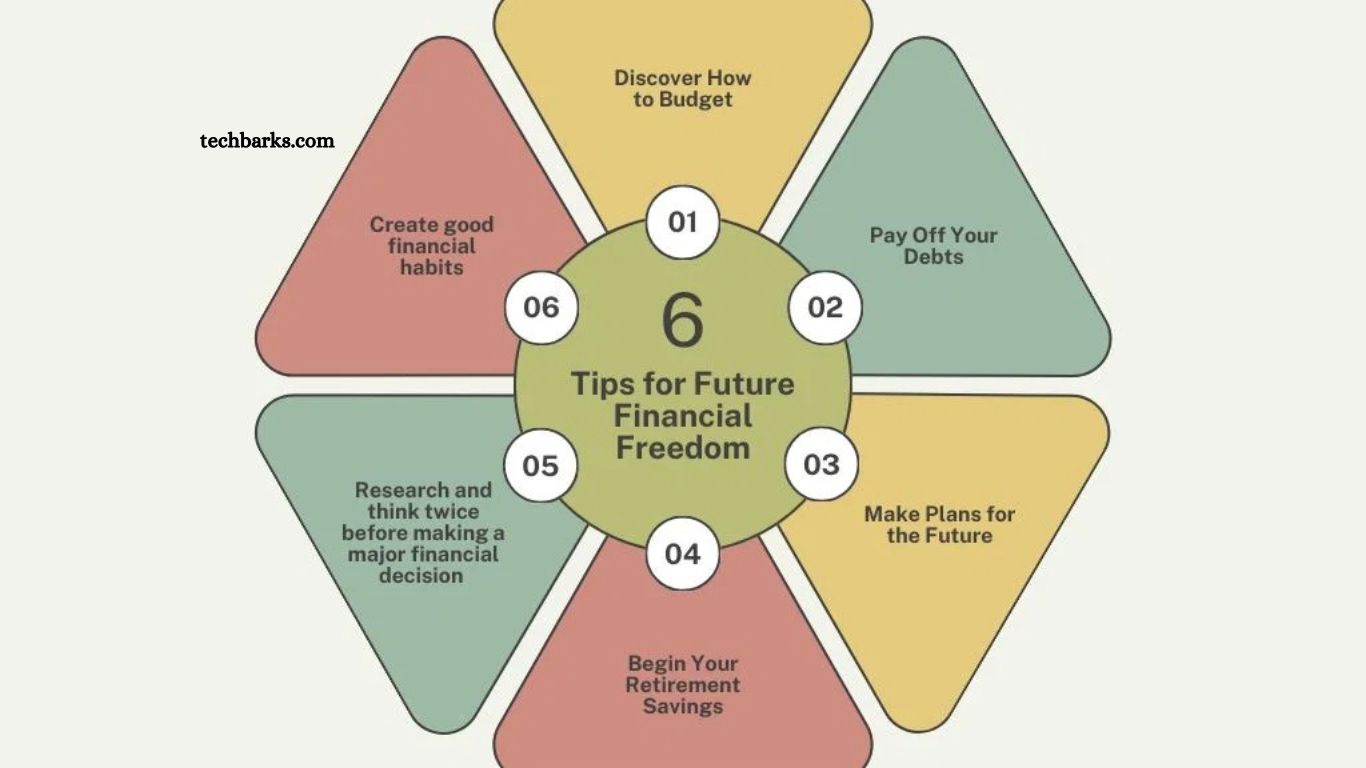
Financial freedom starts with a clear money strategy. Budget planning gives structure to income, controls expenses, and builds long-term stability. A strong budget is not about restriction; it is about direction.
With the right approach, anyone can manage money better, reduce stress, and grow savings consistently. This guide explains practical, easy-to-follow budget planning tips that help create financial independence step by step.
Read More: How to Make Money Online from Home Easily
Understand Your Current Financial Situation
Before building a budget, identify where money goes each month. Track all income sources and expenses clearly. Include salary, side income, rent, food, utilities, transport, subscriptions, and small daily costs.
When financial flow becomes visible, patterns appear. Many people discover unnecessary spending they never noticed before. Awareness becomes the foundation of effective budget planning.
Set Clear Financial Goals
Budgeting becomes powerful when linked to goals. Define short-term and long-term financial targets.
Short-term goals may include:
- Paying off credit card balances
- Building emergency savings
- Managing monthly bills efficiently
Long-term goals may include:
- Buying a home
- Investing for retirement
- Achieving financial independence
Clear goals give purpose to every saving decision and reduce impulsive spending.
Apply the 50/30/20 Rule.
A simple and effective budgeting method is the 50/30/20 rule.
- 50% of income for essential needs
- 30% income for personal wants
- 20% income for savings and investments
This structure keeps finances balanced while allowing flexibility. It also ensures consistent savings without complex calculations.
Control Unnecessary Expenses
Small expenses often create big financial leaks. Daily coffee, unused subscriptions, or impulse shopping may seem minor, but they accumulate over time.
Review monthly expenses and identify non-essential spending. Reduce or eliminate items that do not add real value. Redirect saved money toward savings or investments.
Build an Emergency Fund
An emergency fund protects financial stability during unexpected situations such as medical issues, job loss, or urgent repairs.
Start with a small target like one month of expenses, then gradually increase to three to six months. Keep this fund separate from regular spending accounts to avoid temptation.
Use Digital Budgeting Tools
Technology makes budgeting easier. Mobile apps and online tools help track spending in real time, categorize expenses, and generate reports.
These tools improve accuracy and reduce manual effort. They also provide visual insights that make financial decisions easier.
Avoid Debt Dependency
Debt can limit financial freedom if not managed properly. High-interest loans and credit card balances reduce monthly savings capacity.
Focus on paying off existing debt as quickly as possible. Avoid unnecessary borrowing unless it supports essential or income-generating needs.
Automate Savings
Automation is one of the most effective financial strategies. Set automatic transfers from the income account to savings or investment accounts.
This ensures consistent savings without relying on monthly discipline. Over time, automated savings build strong financial security.
Review Budget Regularly
A budget is not static. Income, expenses, and goals change over time. Review the financial plan monthly or quarterly.
Adjust categories when needed and track progress toward goals. Regular updates keep the budget relevant and effective.
Increase Income Streams
Financial freedom improves faster with additional income sources. Consider freelancing, part-time work, or skill-based services.
Extra income can accelerate savings, reduce debt faster, and create investment opportunities. Even small side earnings make a long-term difference.
Practice Smart Spending Habits
Financial discipline plays a major role in budget success. Avoid emotional purchases and focus on value-based spending.
Ask simple questions before buying:
- Is this necessary
- Does this support my goals
- Can I delay this purchase
This mindset helps maintain control over financial decisions.
Frequently Asked Questions
What is budget planning?
Budget planning is the process of tracking income and expenses to manage money effectively and achieve financial goals.
Why is budgeting important for financial freedom?
Budgeting helps control spending, increase savings, and reduce debt, leading to long-term financial independence.
What is the easiest budgeting method?
The 50/30/20 rule is simple: 50% needs, 30% wants, and 20% savings or investments.
How can I start saving money?
Start by tracking expenses, cutting unnecessary costs, and setting automatic monthly savings.
How much should be saved in an emergency fund?
Ideally, save 3 to 6 months of essential living expenses for emergencies.
Can budgeting help reduce debt?
Yes, budgeting helps allocate funds to pay off debt faster and avoid new unnecessary borrowing.
Conclusion
Budget planning is the foundation of financial freedom. It builds awareness, improves control, and creates long-term stability. By tracking expenses, setting goals, reducing unnecessary costs, and saving consistently, anyone can move toward financial independence. A strong budget is not about limiting life; it is about creating choices.
