
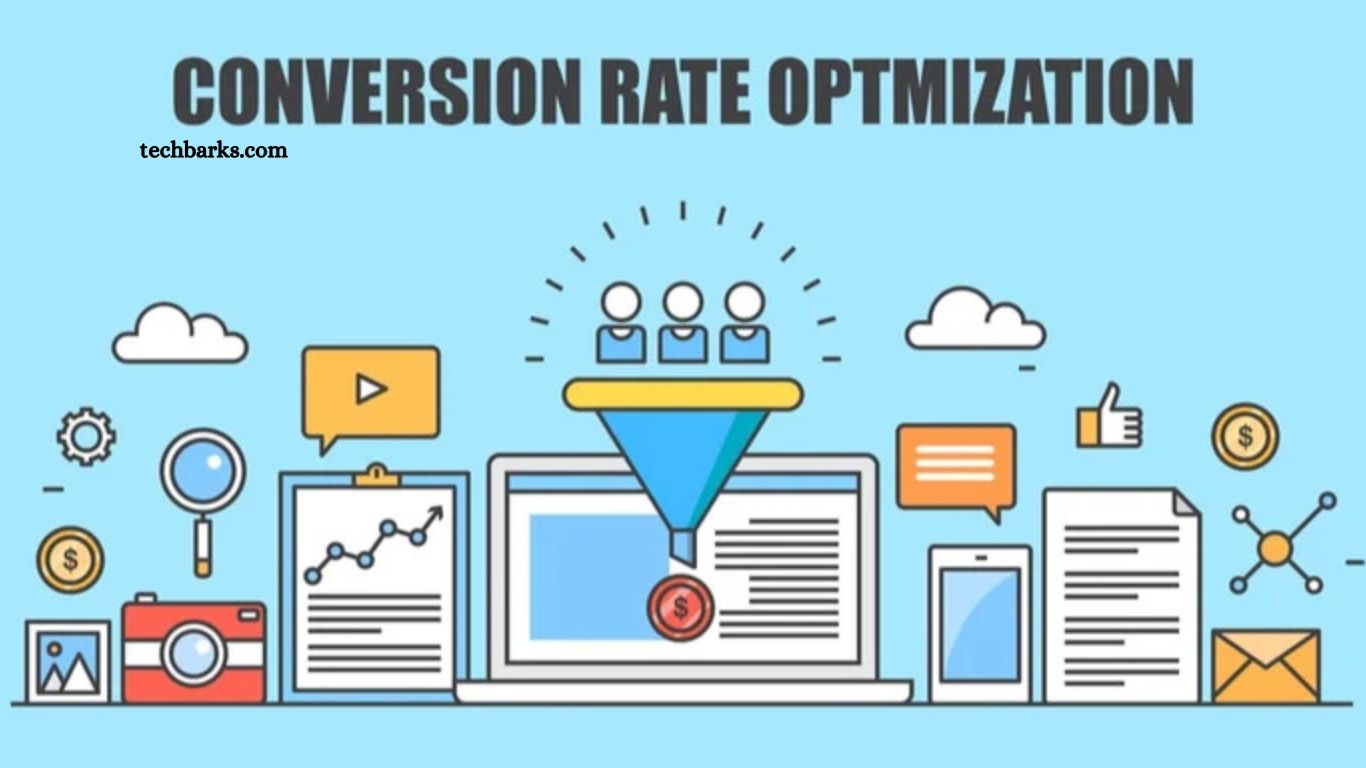
Conversion Rate Optimization (CRO) plays a crucial role in digital success by transforming website visitors into valuable customers or leads. Instead of focusing only on increasing traffic, CRO emphasizes improving user experience, design, and messaging to boost conversions.
Businesses that apply effective CRO strategies achieve higher returns with existing audiences. From optimizing landing pages to refining call-to-action elements, every small improvement contributes to better performance, stronger engagement, and sustainable online growth in an increasingly competitive digital environment.
Read More: How to Generate Leads Online Effectively
What Is Conversion Rate Optimization?
Conversion Rate Optimization focuses on improving website performance by increasing the percentage of users completing the desired action. Actions include purchases, form submissions, downloads, and sign-ups.
Formula:
Conversion Rate = (Conversions ÷ Visitors) × 100. A higher conversion rate means better efficiency, stronger ROI, and smarter marketing.
Why CRO Matters
- Boost revenue without extra ad spend
- Improve user experience
- Reduce customer acquisition cost
- Increase competitive advantage
- Maximize existing traffic value
Top Conversion Rate Optimization Tips
Understand User Intent
Every visitor arrives with a purpose. Identify intent through:
- Keyword research
- Analytics behavior flow
- Heatmaps, session recordings
Align content with user expectations. Mismatch leads to a high bounce rate.
Optimize Landing Pages
Landing pages act as conversion engines. Improve performance by:
- Clear headline with value proposition
- Strong subheadings
- Visual hierarchy
- Minimal distractions
Focus on a single goal per page. Avoid clutter.
Improve Page Speed
Slow pages kill conversions. Users expect a fast loading experience.
Optimization methods:
- Compress images
- Use caching
- Minimize scripts
- Choose reliable hosting
Even a one-second delay impacts conversion rate significantly.
Use a strong call-to-action (CTA)
CTA guides users toward action.
Best practices:
- Action-oriented words (Get, Start, Download)
- Contrast color for visibility
- Strategic placement above fold, below content
- Create urgency
Example: “Start Free Trial Today” performs better than generic “Submit”.
Build Trust Signals
Trust influences decision-making.
Add:
- Customer testimonials
- Reviews, ratings
- Security badges
- Money-back guarantees
Authenticity builds credibility and reduces hesitation.
A/B Testing Strategy
Testing improves performance based on real data.
Test elements like:
- Headlines
- CTA buttons
- Images
- Layout
Run one change at a time. Measure results. Scale winning variations.
Optimize Forms
Forms often create friction.
Reduce friction by:
- Limiting fields
- Using autofill
- Clear labels
- Error validation
Short forms increase completion rate.
Mobile Optimization
Mobile traffic dominates the digital landscape.
Ensure:
- Responsive design
- Fast loading speed
- Easy navigation
- Thumb-friendly buttons
Poor mobile experience leads to lost conversions.
Use Persuasive Copywriting
Words influence decisions.
Focus on:
- Benefits over features
- Emotional triggers
- Clear messaging
- Problem-solving tone
Speak directly to user needs.
Leverage Visual Content
Visuals improve engagement.
Use:
- High-quality images
- Product demos
- Explainer videos
- Infographics
Visual clarity enhances understanding and boosts conversions.
Reduce Bounce Rate
High bounce rate signals weak engagement.
Improve by:
- Matching content with search intent
- Internal linking
- Engaging headlines
- Readable formatting
Keep visitors exploring.
Personalization Strategy
Personalized experience increases relevance.
Examples:
- Location-based offers
- Behavior-driven recommendations
- Dynamic content
Users convert faster when content feels tailored.
Analyze Data Regularly
Data reveals opportunities.
Track:
- Conversion funnels
- Drop-off points
- User journeys
- Traffic sources
Use insights to refine strategy continuously.
Common CRO Mistakes
- Ignoring mobile users
- Overloading pages with information
- Weak CTAs
- No testing strategy
- Lack of trust elements
Avoiding these mistakes protects conversion potential.
Frequently Asked Questions
What is a good conversion rate?
A good conversion rate depends on the industry, but 2%–5% considered average; higher rates indicate strong performance.
How can I improve the conversion rate quickly?
Improve page speed, add clear CTA, simplify forms, and use trust signals.
Why do visitors not convert?
Poor user experience, slow loading, unclear messaging, and lack of trust reduce conversions.
What tools help with CRO?
Analytics tools, heatmaps, and A/B testing platforms help track and optimize performance.
Is CRO better than increasing traffic?
Yes, CRO maximizes existing traffic value, often more cost-effective than acquiring new users.
How often should I run A/B tests?
Run tests continuously, analyze results regularly, and implement improvements based on data.
Conclusion
Conversion Rate Optimization requires consistent effort, testing, and analysis. Small improvements create major results over time. Focus on user experience, clarity, trust, and speed. Apply these CRO tips to transform traffic into measurable growth.
