
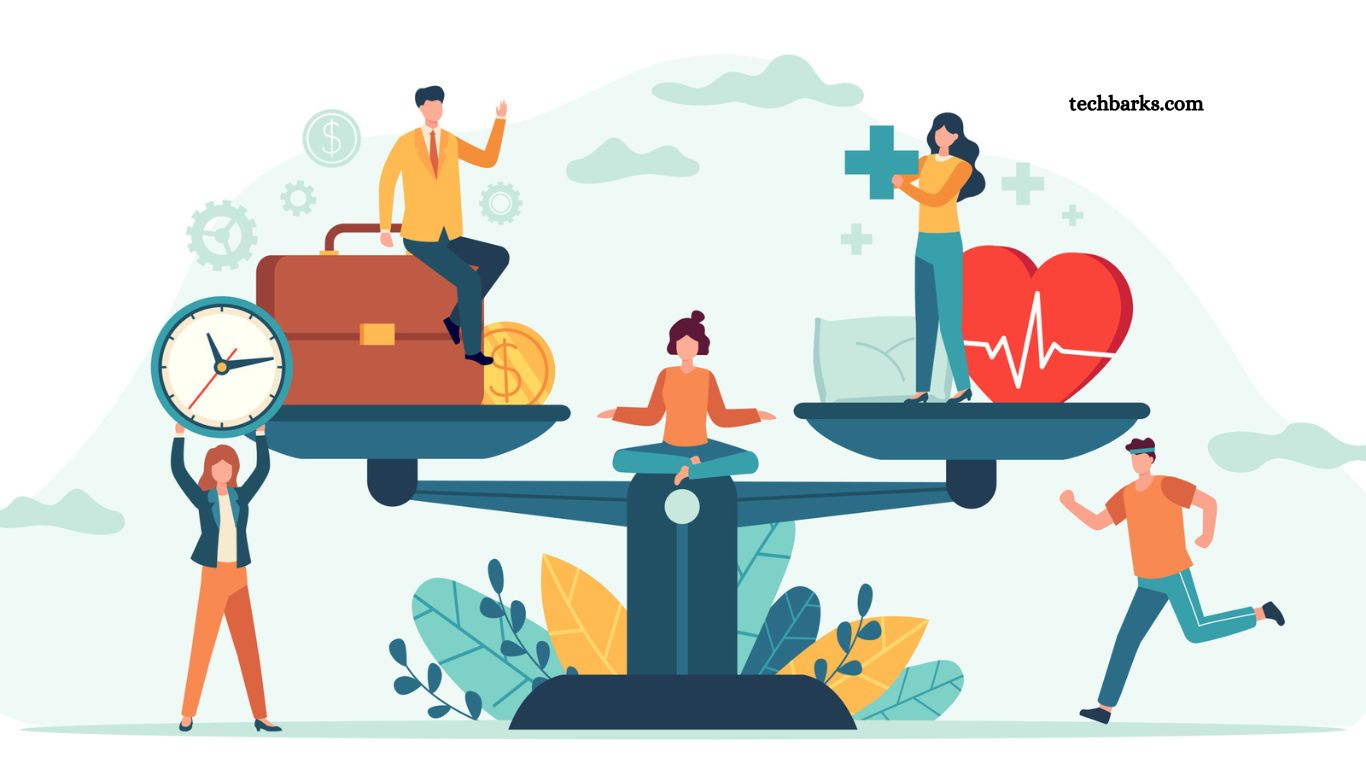
A balanced lifestyle supports physical health, mental clarity, emotional stability, and long-term productivity. Modern life often creates pressure, distraction, and stress, making balance feel difficult.
Still, with intentional habits and structured daily choices, anyone can build sustainable harmony in life. This guide explains clear, practical steps to achieve a balanced lifestyle using simple strategies that improve wellbeing and performance.
Read More: Importance of Healthy Living
Understanding a Balanced Lifestyle
A balanced lifestyle means managing time and energy across key areas of life:
- Physical health
- Mental wellbeing
- Work and career
- Relationships
- Personal growth
- Rest and recovery
Balance does not mean equal time for everything. It means appropriate attention based on priorities, health, and goals.
Prioritize Daily Structure and Routine
A consistent routine creates stability and reduces decision fatigue. Start with simple structure:
- Wake up and sleep at consistent times
- Plan top 3 priorities each day
- Schedule focused work blocks
- Include breaks between tasks
A structured day improves productivity and reduces stress. Small consistency builds strong long-term balance.
Focus on Physical Health First
Physical wellbeing strongly influences energy, mood, and mental performance. Key habits include:
Regular Movement
Exercise supports cardiovascular health, strength, and emotional stability. Options include walking, gym workouts, yoga, or cycling.
Nutritious Eating
Choose whole foods, vegetables, lean protein, and healthy fats. Reduce processed foods and excess sugar.
Quality Sleep
Sleep restores body and mind. Aim for 7–9 hours nightly with consistent timing and limited screen exposure before bed.
Manage Mental and Emotional Health
Mental clarity is essential for a balanced lifestyle. Build habits that support emotional control and focus.
Reduce Overload
Avoid multitasking. Focus on one task at a time for better results.
Practice Mindfulness
Simple breathing exercises or short meditation sessions reduce anxiety and improve awareness.
Limit Digital Distraction
Reduce unnecessary screen time, especially social media scrolling. Set boundaries for device usage.
Create Work-Life Separation
Blending work and personal life often leads to burnout. Establish clear separation:
- Define work hours and stick to them
- Avoid checking emails after working time
- Create a dedicated workspace if possible
- Use breaks to reset mind and body
A strong boundary between work and rest increases satisfaction and productivity.
Build Strong Relationships
Healthy relationships support emotional stability and happiness. Invest time in:
- Family connections
- Friendships
- Meaningful conversations
- Social support networks
Quality matters more than quantity. Even small daily interactions strengthen bonds.
Practice Time Management
Effective time management improves balance without increasing stress.
Use Prioritization
Focus on important tasks instead of urgent distractions.
Apply Planning Tools
Use calendars, to-do lists, or digital planners to organize tasks.
Avoid Overcommitment
Saying no protects energy and prevents overload.
Include Rest and Recovery
Rest is not laziness. It is essential for performance and health.
- Take short breaks during work
- Schedule leisure activities
- Spend time in nature
- Practice hobbies
Recovery time restores motivation and prevents burnout.
Personal Growth and Learning
Continuous improvement supports long-term life satisfaction. Learn new skills, read regularly, and set personal goals. Growth builds confidence and purpose.
Maintain Financial Balance
Financial stress disrupts overall balance. Improve financial stability through:
- Budget planning
- Controlled spending
- Saving regularly
- Avoiding unnecessary debt
Financial clarity supports peace of mind.
Build Consistency, Not Perfection
Balanced lifestyle does not require perfection. Focus on consistency over time. Small improvements repeated daily create strong transformation.
Frequently Asked Questions
What is a balanced lifestyle?
A balanced lifestyle means managing health, work, relationships, and personal time in a way that supports overall wellbeing.
Why is a balanced lifestyle important?
It helps reduce stress, improve health, increase productivity, and support mental and emotional stability.
How can I start living a balanced life?
Start by creating a daily routine, eating healthy, sleeping well, and managing time effectively.
Can exercise improve lifestyle balance?
Yes, regular exercise boosts energy, improves mood, and supports both physical and mental health.
How do I reduce stress in daily life?
Practice mindfulness, limit screen time, take breaks, and maintain a clear work-life boundary.
Is it possible to stay balanced every day?
Not perfectly every day, but consistent habits help maintain balance over time.
Conclusion
A balanced lifestyle is built through consistent habits that support physical health, mental clarity, emotional stability, and personal growth. It is not about perfection but about making better daily choices that align with long-term wellbeing. By managing time wisely, maintaining healthy routines, nurturing relationships,
