
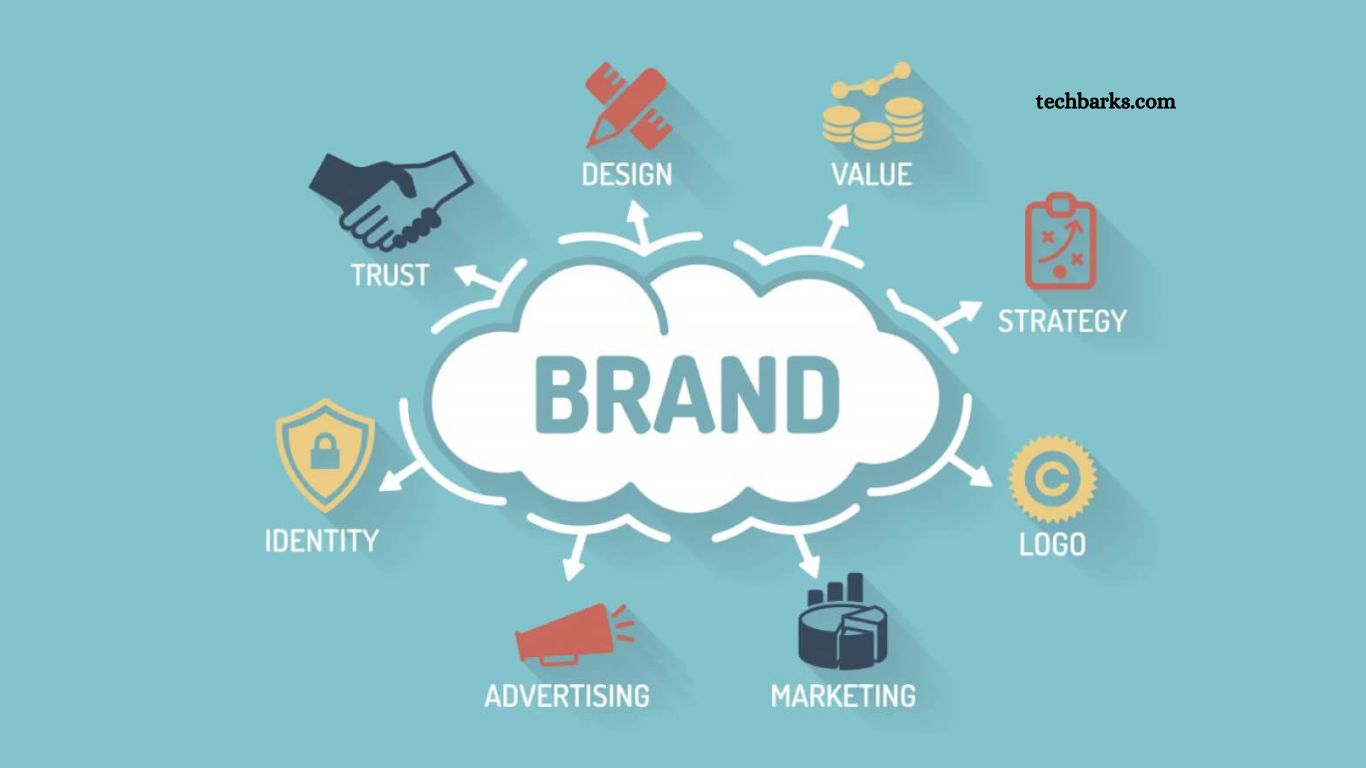
A strong brand identity creates recognition, trust, and long-term growth. Every successful business depends on a clear, consistent image that communicates purpose and value.
Without a defined identity, even great products struggle to stand out. This guide explains practical steps to build a powerful brand identity in a clear, easy-to-read way.
Read More: Business Development Tips for Beginners
What Is Brand Identity?
Brand identity represents the visual and emotional image of a business. It includes logo, colors, typography, voice, messaging, and overall style. Strong identity helps people instantly recognize and remember a brand.
Why Strong Brand Identity Matters
- Builds trust with the audience
- Creates a consistent customer experience
- Improves recognition across platforms
- Supports marketing and sales efforts
- Differentiates from competitors
A clear identity makes every interaction more meaningful.
Define Brand Purpose
Start with a clear purpose. Ask:
- What problem does the brand solve?
- What values drive business decisions?
- What makes a brand different?
Purpose guides every design and message choice.
Know the Target Audience
Understanding audience shapes identity.
Focus on:
- Age group
- Interests
- Pain points
- Buying behavior
Create a simple customer profile. This helps design tone, visuals, and messaging that connect effectively.
Develop Brand Personality
Brand personality defines how a brand feels.
Choose traits like:
- Professional
- Friendly
- Bold
- Minimal
- Innovative
Consistency in personality builds familiarity and trust.
Create Visual Identity
Visual elements form the first impression.
Key Components:
- Logo: Simple, memorable, scalable
- Color Palette: Reflects emotion and values
- Typography: Clear, readable fonts
- Imagery Style: Consistent photos or graphics
Keep design clean and aligned with brand personality.
Craft Brand Voice
Voice defines how a brand communicates.
Examples:
- Formal and authoritative
- Casual and conversational
- Inspirational and motivational
Use the same tone across the website, social media, emails, and ads.
Build Consistency
Consistency strengthens recognition.
Apply the same:
- Colors
- Fonts
- Tone
- Messaging
Across all platforms:
- Website
- Social media
- Packaging
- Marketing materials
Inconsistent branding confuses the audience and weakens trust.
Create Brand Guidelines
Brand guidelines act as a rulebook.
Include:
- Logo usage rules
- Color codes
- Typography styles
- Voice and tone examples
This ensures consistency across teams and projects.
Focus on Customer Experience
Brand identity goes beyond visuals.
Every interaction matters:
- Website usability
- Customer support
- Product quality
- Delivery experience
Positive experience reinforces brand perception.
Evolve When Needed
Markets change. Audience expectations shift.
Review the brand regularly:
- Update visuals if outdated
- Adjust messaging if needed
- Stay relevant without losing core identity
Strong brands adapt while maintaining consistency.
Common Mistakes to Avoid
- Lack of a clear purpose
- Inconsistent visuals
- Ignoring audience needs
- Overcomplicated design
- Copying competitors
Avoiding these mistakes strengthens brand impact.
Frequently Asked Questions
What makes a brand identity strong?
Clear purpose, consistent visuals, and recognizable voice create a strong identity.
How long does it take to build brand identity?
Basic identity takes a few weeks; strong recognition develops over time.
Why consistency matters in branding?
Consistency builds trust and helps the audience remember the brand easily.
Can small businesses build a strong brand identity?
Yes, clear strategy and consistency help small businesses stand out.
Do I need a professional designer for brand identity?
Not required, but professional design improves quality and impact.
How often should brand identity be updated?
Update only when needed to stay relevant while keeping core identity intact.
Conclusion
A strong brand identity is the foundation of long-term business success. It brings clarity, builds trust, and creates lasting recognition in a competitive market. When purpose, visuals, voice, and customer experience work together, the brand becomes more powerful and memorable. Focus on consistency, understand audience needs,
