
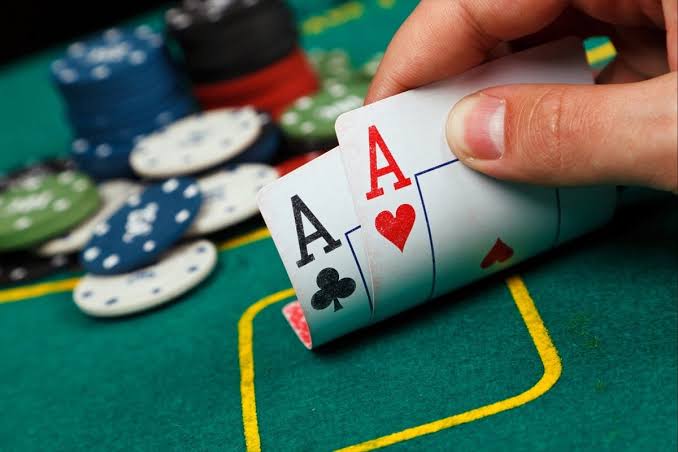
A poker game can look simple from the outside. Cards are dealt, players bet, and one hand eventually wins the pot. But the real appeal of poker is not just in the cards themselves. It is in the decisions players make along the way.
That is what separates poker from many other card games. A player is not only reacting to luck; they are also deciding when to stay in, when to step back, and how much information the table is giving them.
The Hand Is Only the Starting Point
Every poker round begins with uncertainty. Players receive cards, but those cards do not tell the full story.
A decent hand can become difficult to play if the betting gets heavy. A weaker hand may still be worth watching if the table is passive and the next cards could change the situation. This is where poker becomes more than a simple comparison of card values.
Betting Changes the Shape of the Game
In poker, betting is part of the gameplay, not just a side action. A check, call, raise, or fold can change how the hand feels for everyone at the table.
Beginners often look first at their own cards, which is understandable. More experienced players may also think about position, chip size, betting history, and how the round has developed so far.
Reading the Table Without Guessing the Outcome
Poker often gets described as a game of reading people, but that idea can be misunderstood. Reading the table does not mean knowing what cards someone has or predicting what will happen next.
It usually means paying attention to patterns. Is the table playing cautiously? Are players raising often? Has the pace changed after certain cards appeared? These details can help a player make clearer decisions, even though the result is still uncertain.
Timing Can Be as Important as the Move
The same decision can feel very different depending on when it happens. Acting early usually means having less information. Acting later may give a player more clues from the choices others have already made.
This is one reason poker rewards patience. Not every hand needs to be played, and not every strong-looking hand should be pushed without thinking about the wider situation.
Beginners Usually Want Clarity
For newer players, the best poker game is often the one that feels easy to follow. Clear rules, simple table layouts, slower pacing, and comfortable limits can make the experience less overwhelming.
This is not about finding an “easy win.” It is about choosing a format that matches a player’s current understanding of the game.
Experienced Players Often Look for More Depth
Players with more experience may enjoy poker formats with more room for decision-making. They may prefer tables where position, betting rhythm, and long-term discipline matter more.
That does not make the game predictable. It simply means there are more layers to think about, which can make the experience more engaging for players who already know the basics.
Poker Balances Luck With Judgment
Poker still depends on randomly dealt cards. No player can control the deck, guarantee a result, or remove risk from the game.
What players can control is how they respond. Folding at the right time, avoiding rushed bets, and understanding table flow are all part of responsible decision-making.
What Makes Poker Stand Out
Poker is different because the strongest hand is not the only thing players think about. The game asks players to weigh information, timing, risk, and behavior before making a move.
That mix of luck and judgment is why poker remains one of the most studied card games. For anyone trying it online or at a table, the smartest approach is to treat it as entertainment, learn gradually, and set clear limits before playing.
