
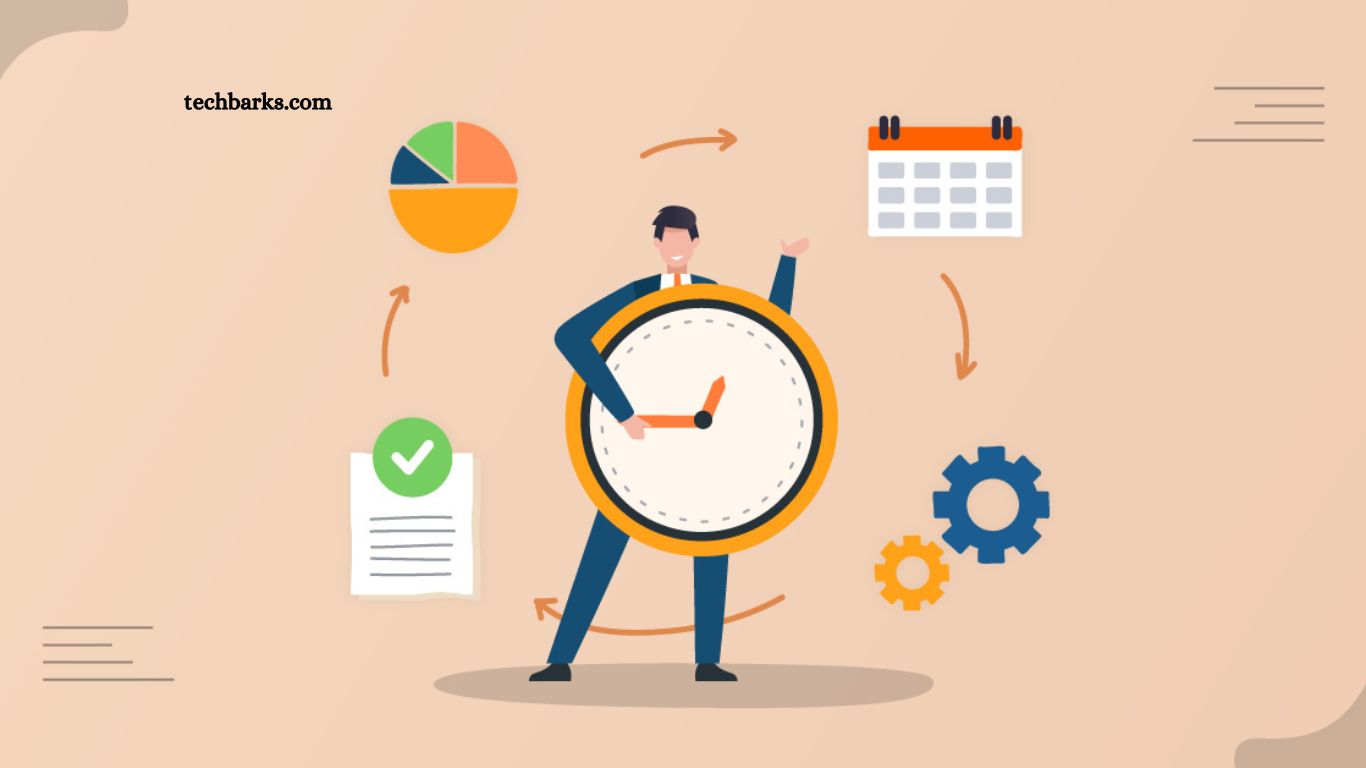
Time management plays a crucial role in achieving personal and professional goals. Learning how to manage time effectively allows individuals to increase productivity,
Reduce stress and improve overall quality of life. By following practical strategies, anyone can master the art of time management and enjoy a more balanced lifestyle.
Read More: How AI is Changing the Tech Industry
Prioritize Tasks for Maximum Efficiency
One key to effective time management is prioritization. Start each day by identifying high-value tasks that contribute most to personal or professional growth. Use tools like to-do lists or digital planners to categorize tasks by urgency and importance.
Focusing on high-priority activities ensures that essential goals are completed first, avoiding wasted time on trivial matters.
Plan Daily Schedule Strategically
Creating a structured daily schedule enhances productivity. Allocate specific time blocks for work, personal activities, and relaxation. Scheduling prevents overlapping responsibilities and reduces stress caused by last-minute rushes.
Using techniques like time-blocking or the Pomodoro method improves focus, helping individuals maintain momentum throughout the day.
Set Realistic Goals
Setting achievable goals is vital for efficient time management. Break large projects into smaller, manageable steps. Each completed step provides a sense of accomplishment,
Motivating continued progress. Realistic goal-setting reduces procrastination and ensures steady advancement toward long-term objectives.
Eliminate Distractions
Minimizing distractions significantly improves time utilization. Identify common interruptions, such as social media, unnecessary meetings, or multitasking,
And implement strategies to reduce them. Creating a dedicated workspace and turning off non-essential notifications allows for better concentration and faster completion of tasks.
Learn to Delegate
Delegation is a powerful tool in managing time effectively. Assign tasks that others can handle, freeing up time for activities that require personal attention. Delegating responsibilities not only increases efficiency but also fosters teamwork and collaboration.
Practice Self-Discipline
Self-discipline forms the foundation of successful time management. Stick to schedules, avoid procrastination,
And commit to completing tasks on time. Regular practice of self-discipline improves focus, strengthens work habits, and enhances overall productivity.
Incorporate Breaks for Better Productivity
Scheduled breaks improve mental clarity and prevent burnout. Short breaks between tasks help maintain energy levels and promote creativity.
Techniques such as the 50-10 rule, where 50 minutes of work is followed by a 10-minute break, enhance concentration and prevent fatigue.
Use Technology Wisely
Technology offers numerous tools to support time management. Calendar apps, task managers, and reminder tools streamline scheduling and tracking of daily responsibilities.
Using technology efficiently ensures tasks stay organized, deadlines are met, and productivity remains high.
Review and Adjust Regularly
Regularly reviewing progress allows for continuous improvement in time management. Assess completed tasks, identify areas of improvement,
And adjust schedules or strategies accordingly. Reflecting on productivity habits ensures long-term success and promotes a better work-life balance.
Frequently Asked Questions
What is time management?
Time management is the process of planning and controlling how much time to spend on activities to increase efficiency and productivity.
Why is time management important?
It helps reduce stress, achieve goals faster, improve focus, and maintain a balanced lifestyle.
How can I prioritize tasks effectively?
Use tools like to-do lists, categorize tasks by importance, and focus on high-priority activities first.
What is the best way to avoid distractions?
Create a dedicated workspace, turn off unnecessary notifications, and limit multitasking.
How do breaks improve productivity?
Short, regular breaks prevent fatigue, boost focus, and enhance creativity.
Can technology help with time management?
Yes, apps like calendars, reminders, and task managers help organize tasks and track deadlines efficiently.
Conclusion
Effective time management transforms the way individuals live and work. By prioritizing tasks, planning strategically, eliminating distractions, and practicing self-discipline, anyone can achieve higher productivity and a more balanced lifestyle. Implement these tips to enjoy better focus, reduced stress,
