
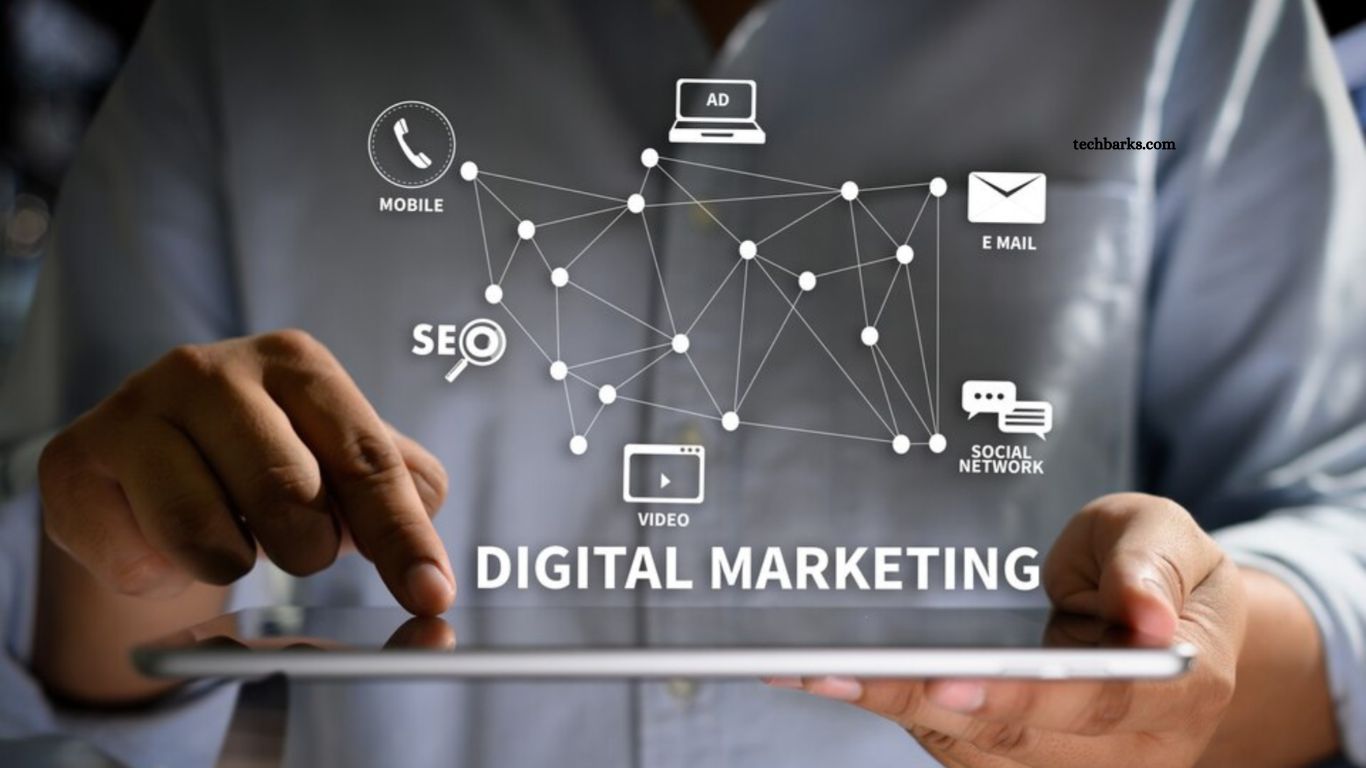
Digital marketing has changed the way businesses connect with customers. Every brand, whether small or large, now depends on online channels to reach the right audience. A strong digital presence builds trust, increases visibility, and creates more growth opportunities.
Many beginners believe digital marketing is difficult because of technical terms and countless tools. The reality is much simpler. Every successful strategy starts with understanding customer needs and creating valuable content. Once these fundamentals become clear, every marketing activity becomes easier to manage. This beginner’s guide explains digital marketing through simple steps, helping newcomers understand each stage without confusion.
Read More: Top Digital Marketing Strategies That Work in 2026
What Is Digital Marketing?
Digital marketing refers to promoting products, services, or brands through online platforms. Instead of relying only on traditional advertising, businesses use websites, search engines, social media, email, and online advertising to attract potential customers.
Unlike conventional marketing, digital marketing provides measurable results. Business owners can monitor visitors, track customer behavior, evaluate campaigns, and improve performance using real-time data.
Why Digital Marketing Matters
Modern consumers spend significant time online searching for information before making buying decisions. Businesses with strong digital visibility gain greater trust and attract more qualified customers.
Digital marketing also offers flexibility. Small businesses can compete with larger companies by focusing on valuable content, targeted audiences, and consistent communication rather than expensive advertising.
A well-planned strategy supports brand awareness, customer engagement, lead generation, and long-term business growth.
Step 1: Understand Your Target Audience
Every successful marketing campaign begins with audience research. Understanding customer interests, problems, goals, and purchasing behavior allows businesses to create relevant content that attracts attention.
Audience research helps identify the right communication style, preferred platforms, and valuable topics. Better understanding leads to stronger customer relationships and improved marketing performance.
Step 2: Build a Professional Website
A website serves as the foundation of digital marketing. Visitors often judge a business within seconds, making professional design, clear navigation, and fast loading speed essential.
A quality website should provide useful information, mobile responsiveness, secure browsing, and simple contact options. Every page should guide visitors toward meaningful actions without unnecessary distractions.
Step 3: Learn Search Engine Optimization (SEO)
Search Engine Optimization helps websites appear higher in search engine results. Better visibility increases organic traffic without relying entirely on paid advertising.
SEO includes keyword research, quality content creation, optimized page titles, internal linking, fast website performance, and positive user experience. Search engines reward websites that consistently provide helpful information.
Beginners should focus on creating content that answers real questions instead of chasing search engine algorithms.
Step 4: Create Valuable Content
Content forms the heart of digital marketing. Blog articles, videos, guides, tutorials, infographics, and educational resources help businesses demonstrate expertise while solving customer problems.
High-quality content builds credibility and encourages visitors to return. Consistency matters more than volume. Publishing useful content regularly creates stronger engagement and improves long-term search rankings.
Step 5: Use Social Media Effectively
Social media platforms allow businesses to communicate directly with audiences. Instead of promoting products constantly, successful brands share educational, entertaining, and informative content that encourages conversations.
Each platform serves different audiences. Choosing suitable platforms based on customer behavior creates stronger engagement and better marketing results.
Regular interaction strengthens relationships and increases brand recognition over time.
Step 6: Start Email Marketing
Email marketing remains one of the highest-performing digital marketing channels. Building an email list allows businesses to communicate directly with interested customers.
Helpful newsletters, product updates, educational resources, and exclusive offers keep subscribers engaged while encouraging repeat visits and future purchases. Personalized emails often generate stronger customer relationships than broad advertising campaigns.
Step 7: Explore Paid Advertising
Paid advertising provides immediate visibility across search engines and social media platforms. Businesses can reach highly targeted audiences based on interests, demographics, locations, and online behavior.
Beginners should begin with modest budgets while monitoring campaign performance carefully. Continuous optimization improves return on investment and reduces unnecessary spending.
Step 8: Measure Marketing Performance
Successful digital marketing depends on continuous improvement. Website traffic, conversion rates, engagement levels, bounce rates, and customer acquisition costs reveal valuable insights.
Performance analysis identifies strengths, weaknesses, and opportunities for improvement. Data-driven decisions produce better results than assumptions.
Regular monitoring allows businesses to adjust strategies according to changing customer behavior.
Common Beginner Mistakes
Many beginners expect immediate success after launching a website or publishing several social media posts. Digital marketing requires patience, consistency, and continuous learning.
Poor-quality content, inconsistent publishing, ignoring SEO, targeting broad audiences, and failing to analyze performance often reduce marketing effectiveness. Learning from mistakes helps marketers develop stronger strategies over time.
Essential Skills for Digital Marketing Success
Successful digital marketers combine creativity with analytical thinking. Strong writing, communication, research, problem-solving, and adaptability contribute significantly to long-term growth.
Technology evolves quickly, making continuous learning an important habit. Staying updated with industry trends helps marketers maintain competitive advantages.
Future of Digital Marketing
Artificial intelligence, automation, voice search, personalized experiences, and data-driven strategies continue shaping digital marketing. Businesses adopting modern technologies while maintaining authentic customer relationships achieve stronger long-term success.
Customer expectations continue evolving, making valuable content and exceptional user experience even more important.
Frequently Asked Questions
What is digital marketing?
Digital marketing promotes products or services through online channels such as websites, search engines, social media, and email.
Why is digital marketing important?
Digital marketing helps businesses reach more customers, build brand awareness, and increase sales at a lower cost.
Can beginners learn digital marketing?
Yes. Anyone can learn digital marketing by understanding the basics and practicing regularly.
How long does digital marketing take to show results?
SEO may take several months, while paid advertising can generate results within days.
Which digital marketing skill should beginners learn first?
SEO and content marketing are excellent starting points because they build a strong foundation.
Is digital marketing a good career?
Yes. Digital marketing offers strong career opportunities with high demand across many industries.
Conclusion
Digital marketing offers endless opportunities for businesses, entrepreneurs, and professionals willing to learn consistently. Every successful strategy begins with understanding customer needs, building a professional online presence, creating valuable content, improving search visibility, and measuring results.
