
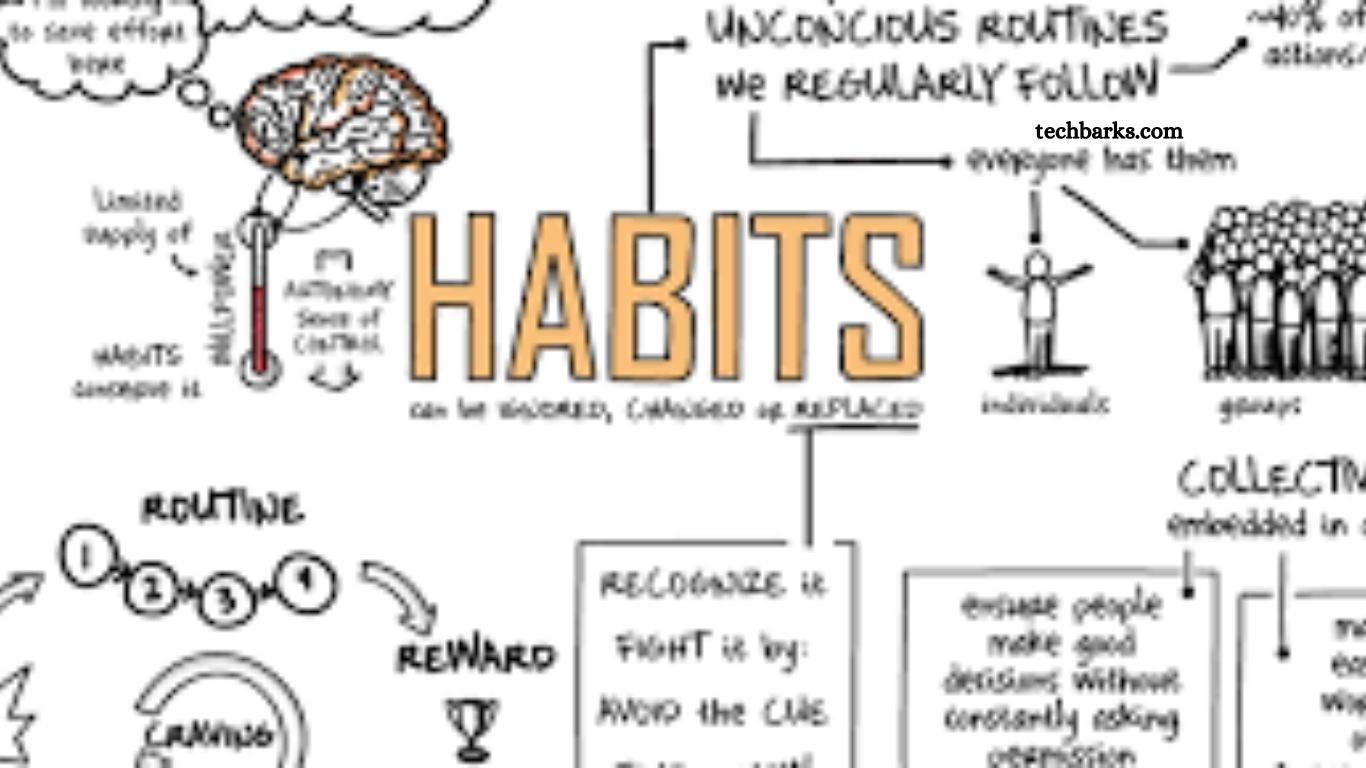
Building positive habits is one of the most effective ways to improve life quality, productivity, and mental well-being. Strong habits shape daily actions, and daily actions shape long-term success. When proper systems are created,
Good behaviors become automatic, reducing reliance on motivation alone. This article explains a clear, practical method to build positive habits in a simple, structured way that works in real life.
Read More: Self-Improvement Tips for Personal Growth
What Are Positive Habits?
Positive habits are repeated actions that improve health, mindset, productivity, or relationships. These actions require less mental effort over time because they become automatic behaviors.
Examples include:
- Daily exercise
- Reading regularly
- Healthy eating patterns
- Time management routines
- Journaling or reflection practice
Small actions, repeated consistently, lead to meaningful transformation.
Why Building Positive Habits Matters
Success rarely depends on a one-time effort. It depends on repeated behavior. Positive habits create structure in daily life and reduce decision fatigue.
Key benefits:
- Improved focus and productivity
- Better physical and mental health
- Reduced stress and anxiety
- Strong self-discipline
- Long-term personal growth
When habits are aligned with goals, progress becomes natural instead of forced.
Start with Clear and Simple Goals
Clarity is the foundation of habit formation. Without clarity, consistency becomes difficult.
Instead of vague goals like “get fit,” use specific actions:
- Walk 20 minutes daily
- Do 10 push-ups each morning
- Drink 2 liters of water daily
Simple actions increase the probability of consistency. Complexity reduces execution.
Focus on One Habit at a Time
Many people fail because they try to change everything at once. The brain adapts better when focused on a single behavior.
Choose one habit:
- Morning routine improvement
- Reading 10 pages daily
- Sleep schedule adjustment
Master one habit before adding another. This approach builds momentum and confidence.
Use the Habit Stacking Technique
Habit stacking connects new behavior with an existing routine. This method improves consistency by using natural triggers.
Formula:
After [existing habit], I will [new habit]
Examples:
- After brushing teeth, drink one glass of water
- After morning coffee, read 5 pages
- After lunch, take a 10-minute walk
Existing habits act as reminders for new actions.
Make Habits Easy to Start
Ease of execution determines success. If a habit feels difficult, the brain resists.
Strategies:
- Reduce the effort required
- Prepare the environment in advance
- Remove distractions
- Start with the smallest possible version
Example:
Instead of “read 1 hour,” start with “read 2 pages.”
A small start creates psychological momentum.
Build Consistency Over Perfection
Consistency builds identity. Perfection creates pressure.
Focus on repeating the action daily, even if the quality varies.
Rules:
- Never skip two days in a row
- Show up even with low energy
- Accept imperfect execution
Over time, repetition strengthens neural pathways, making a habit automatic.
Track Progress Daily
Tracking increases awareness and motivation. What gets measured improves over time.
Simple tracking methods:
- Calendar check marks
- Habit tracking apps
- Journal entries
- Weekly review notes
Visual progress reinforces commitment and builds satisfaction.
Remove Negative Triggers
The environment influences behavior more than willpower. Small changes in surroundings can support or block habits.
Examples:
- Keep healthy snacks visible
- Place the book near the bed
- Remove junk food from home
- Turn off unnecessary notifications
Design an environment to support desired behavior.
Reward Progress
The brain responds strongly to rewards. Positive reinforcement increases repetition.
Healthy reward ideas:
- Short break after the task
- Small leisure activity
- Progress celebration
- Self-recognition
Reward should support habit, not destroy progress.
Handle Setbacks Properly
Setbacks are a normal part of habit building. The problem arises when people quit after failure.
Better approach:
- Accept the missed day
- Restart immediately the next day
- Analyze the trigger of failure
- Adjust the system if needed
Progress depends on recovery speed, not the absence of failure.
Build Identity-Based Habits
Strongest habits come from an identity shift. Instead of focusing on what to do, focus on who to become.
Examples:
- “I am a healthy person” instead of “I exercise.”
- “I am a reader” instead of “I read books.”
- “I am disciplined” instead of “I try to be disciplined.”
Identity-based thinking strengthens long-term behavior change.
Common Mistakes to Avoid
Avoid these errors during habit formation:
- Starting too many habits at once
- Relying only on motivation
- Setting unrealistic expectations
- Ignoring environment influence
- Giving up after a small failure
Awareness of these mistakes increases the success rate.
Frequently Asked Questions
What is the best way to start a new habit?
Start with a very small and simple action that is easy to repeat daily.
How long does it take to build a habit?
It usually takes several weeks of consistent practice for a habit to become automatic.
Can I build more than one habit at a time?
It is better to focus on one habit first to increase the chances of success.
What to do if I miss a day?
Restart the next day without stress and avoid skipping two days in a row.
Why do habits fail?
Most habits fail due to lack of consistency, unclear goals, or difficult routines.
How can I stay consistent with habits?
Track progress daily and keep the habit simple and easy to follow.
Conclusion
Building positive habits is a gradual process that requires consistency, patience, and simple daily actions. Small improvements practiced regularly create powerful long-term results in health, productivity, and personal growth. By starting small, staying consistent, and focusing on one habit at a time,
