
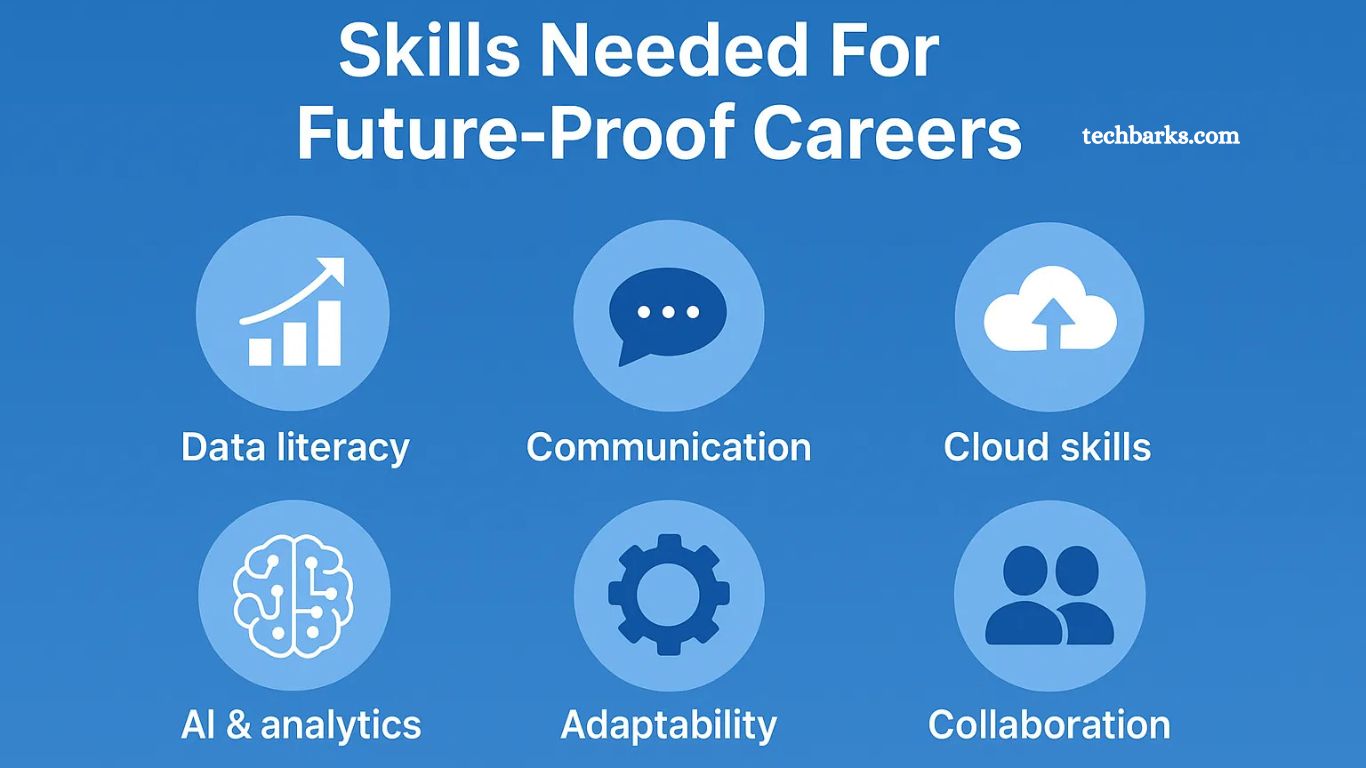
Rapid technological advancements and shifting global economies are reshaping the job market, creating both challenges and opportunities. Professionals who want to stay competitive must focus on developing skills that align with future demands. Top career skills go beyond technical knowledge; they include critical thinking, adaptability, creativity, and emotional intelligence.
These abilities empower individuals to navigate uncertainty, solve complex problems, and collaborate effectively in diverse environments. As automation and artificial intelligence continue to transform industries, human-centric skills that combine innovation, communication, and analytical thinking become increasingly valuable.
Digital Literacy and Technological Fluency
As technology continues to permeate every industry, digital literacy is no longer optional. It involves understanding and using digital tools effectively, from basic office software to advanced platforms like cloud computing and data analytics. Technological fluency extends beyond knowing how to use software—it’s about understanding how technology can drive innovation and solve problems.
Skills to focus on include:
- Data Analytics: The ability to interpret and analyze data is crucial. Data-driven decision-making is becoming standard in fields such as marketing, healthcare, and finance.
- Cloud Computing: Platforms like AWS, Microsoft Azure, and Google Cloud dominate the business world. Familiarity with these systems can open doors to roles in IT, development, and project management.
- Cybersecurity Awareness: With increasing reliance on digital technology, protecting sensitive information is a priority. Knowledge of cybersecurity principles ensures you can safeguard systems and data effectively.
Read More: How to Study Effectively at Home
Critical Thinking and Problem-Solving
Machines are getting smarter, but human creativity and reasoning remain irreplaceable. Critical thinking and problem-solving are essential skills that enable individuals to analyze situations, identify challenges, and develop effective solutions. These skills are highly transferable and valuable across industries.
Ways to develop these skills:
- Scenario Analysis: Practice evaluating different outcomes in hypothetical situations.
- Root Cause Analysis: Focus on identifying the underlying cause of problems rather than just treating symptoms.
- Decision-Making Exercises: Engage in tasks that require evaluating options and predicting potential consequences.
Emotional Intelligence (EQ)
While technical skills are crucial, soft skills like emotional intelligence are equally important. EQ refers to the ability to understand and manage your emotions and those of others. In collaborative and leadership roles, emotional intelligence can significantly enhance team performance and communication.
Key components of EQ:
- Self-Awareness: Recognize your strengths, weaknesses, and emotional triggers.
- Empathy: Understanding and responding to others’ emotions.
- Conflict Resolution: Navigate disagreements and foster a positive work environment.
Adaptability and Resilience
The future of work is unpredictable. Industries evolve, technologies advance, and job roles shift. Adaptability—the ability to embrace change—and resilience—the capacity to recover from setbacks—are indispensable traits for thriving in uncertain environments.
Strategies to build adaptability:
- Continuous Learning: Stay up to date on trends in your field and explore new knowledge areas.
- Open-Mindedness: Approach challenges with curiosity rather than fear.
- Stress Management: Learn techniques to handle pressure without compromising performance.
Creativity and Innovation
Automation may replace routine tasks, but creativity remains uniquely human. Innovation drives progress and sets individuals apart in competitive fields. Employers increasingly value professionals who can think outside the box and offer fresh solutions.
Ways to nurture creativity:
- Brainstorming Sessions: Regularly generate ideas without judgment to encourage free thinking.
- Cross-Disciplinary Learning: Exposure to different fields can spark unique solutions.
- Experimentation: Test new methods or approaches to discover what works best.
Communication Skills
Strong communication skills remain foundational for success. The ability to convey ideas clearly, persuade others, and listen actively is critical in virtually every role. In a globalized work environment, written, verbal, and digital communication skills are more important than ever.
Key areas to develop:
- Writing Skills: Clear and concise writing enhances reports, emails, and presentations.
- Public Speaking: Confidently presenting ideas can elevate your influence.
- Cross-Cultural Communication: Understanding diverse perspectives fosters collaboration in international teams.
Data-Driven Decision Making
Data-driven decision-making is no longer confined to analytics teams. Professionals who can interpret data insights to guide business strategies are highly sought after. This skill combines analytical thinking with practical application, helping organizations make informed decisions.
Steps to strengthen this skill:
- Learn Analytics Tools: Platforms like Excel, Tableau, and Power BI are essential.
- Understand Metrics: Know what to measure and why it matters.
- Practice Interpretation: Translate raw data into actionable insights.
Leadership and People Management
Future careers will require individuals who can inspire and guide teams. Leadership is not limited to managerial roles; it involves motivating others, fostering collaboration, and driving results. People who master leadership skills often advance more quickly and foster positive workplace cultures.
Core leadership skills include:
- Delegation: Assign tasks effectively to optimize team strengths.
- Mentoring: Guide and support colleagues to maximize their potential.
- Vision Setting: Clearly communicate goals and inspire commitment.
Financial Literacy
Understanding financial principles is vital, not only for personal wealth management but also for professional success. Financially literate professionals can make informed business decisions, manage budgets efficiently, and contribute to strategic growth.
Areas to focus on:
- Budgeting: Track and manage resources wisely.
- Investment Knowledge: Understand markets, risk, and returns.
- Financial Analysis: Assess financial statements and interpret economic indicators.
Lifelong Learning and Self-Motivation
The most future-proof skill of all is the ability to learn continuously. Industries change, new tools emerge, and career paths evolve. Being a lifelong learner ensures you remain competitive, adaptable, and able to seize new opportunities. Self-motivation complements learning by driving consistent growth without reliance on external prompts.
Tips to cultivate lifelong learning:
- Online Courses: Platforms like Coursera, Udemy, and LinkedIn Learning offer flexible learning options.
- Networking: Connect with experts to gain insights and mentorship.
- Reflection: Regularly review progress and identify areas for improvement.
Frequently Asked Questions
What are the most important skills for future careers?
Critical thinking, digital literacy, emotional intelligence, adaptability, creativity, communication, and leadership are among the top skills essential for staying competitive in tomorrow’s job market.
Why is digital literacy important for the future workforce?
Digital literacy enables professionals to navigate technology, analyze data, use software tools effectively, and adapt to innovations—skills critical as industries increasingly rely on digital systems.
How can I improve my emotional intelligence (EQ)?
Practice self-awareness, active listening, empathy, and conflict resolution. Engaging in teamwork, seeking feedback, and reflecting on your responses can strengthen EQ over time.
Are technical skills or soft skills more important?
Both are essential. Technical skills help you perform specific tasks, while soft skills such as communication, problem-solving, and leadership support long-term career growth and adaptability.
How can I stay adaptable in a rapidly changing job market?
Commit to lifelong learning, stay updated with industry trends, embrace new technologies, and cultivate a mindset open to change and innovation.
Can creativity really impact career growth?
Yes. Creativity drives innovation, problem-solving, and unique solutions, making individuals valuable in any organization, especially in roles where automation cannot replace human insight.
Which careers benefit most from these future-ready skills?
Roles in technology, healthcare, finance, education, and management increasingly require a combination of technical expertise and human-centric skills, but these competencies are valuable across nearly every industry.
Conclusion
Future careers demand more than just technical expertise—they require a balance of adaptability, creativity, emotional intelligence, and lifelong learning. Developing these skills empowers professionals to navigate change, solve complex problems, and thrive in a dynamic work environment. As technology continues to reshape industries, individuals who combine human-centric abilities with digital fluency will stand out as leaders and innovators.
