
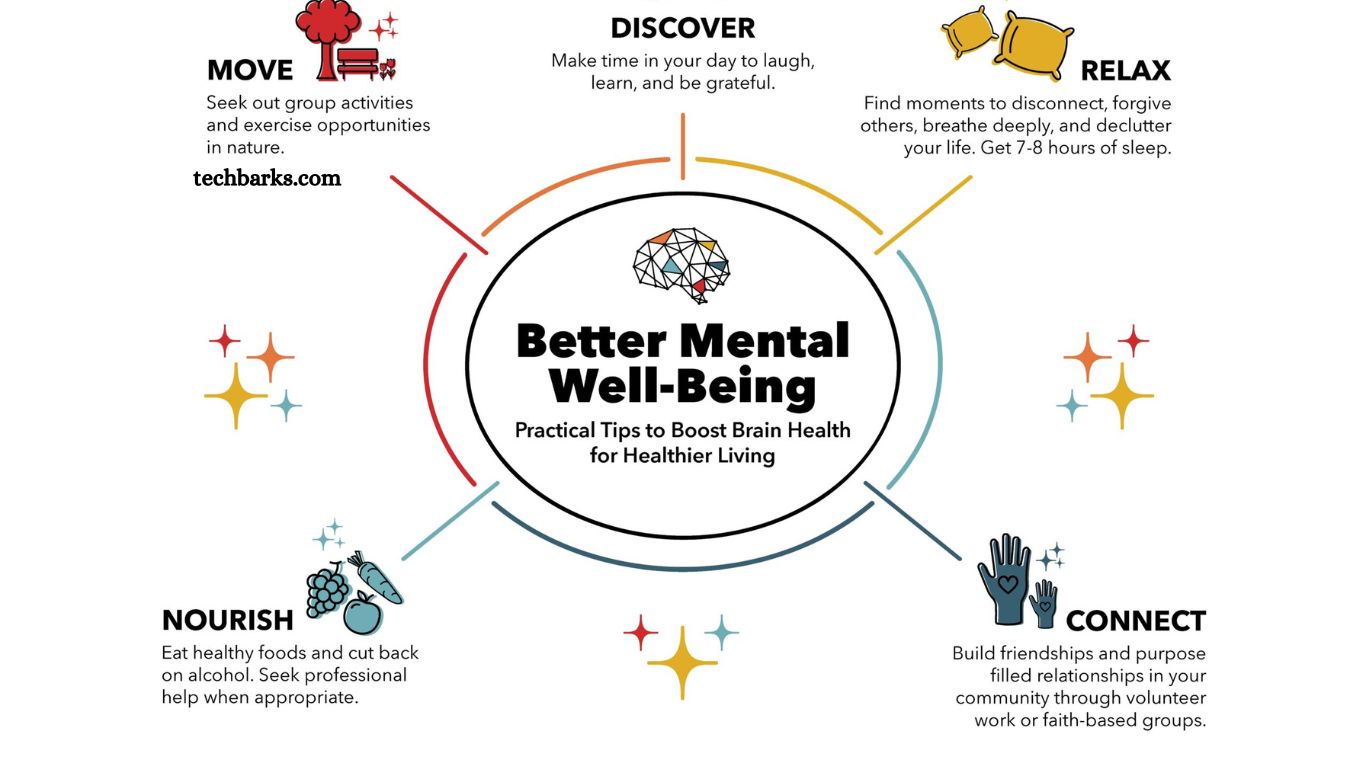
Mental well-being is essential for a balanced, productive, and fulfilling life. It influences how you think, feel, and respond to daily challenges. Strengthening mental health supports emotional stability,
Improves focus and enhances overall quality of life. Below are practical, science-backed strategies to help improve your mental well-being naturally and sustainably.
Read More: Lifestyle Trends You Should Follow in 2026
Prioritize Quality Sleep
Sleep directly impacts mood, memory, and emotional control. Poor sleep increases stress and reduces cognitive performance.
- Maintain a consistent sleep schedule.
- Limit screen exposure before bedtime
- Create a calm, dark, quiet sleeping environment
- Aim for 7–9 hours of sleep daily
Good sleep restores brain function and strengthens emotional resilience.
Practice Regular Physical Activity
Exercise supports mental health by releasing endorphins, which improve mood and reduce stress.
- Walk daily for at least 20–30 minutes
- Include strength training or yoga
- Engage in outdoor activities for fresh air exposure
- Stay consistent rather than intense
Movement improves brain function and reduces anxiety levels naturally.
Maintain a Balanced Diet
Nutrition affects brain chemistry and emotional stability. A well-balanced diet supports mental clarity and energy.
- Eat fruits, vegetables, and whole grains
- Include healthy fats like nuts and fish
- Reduce processed sugar and fast food intake
- Stay hydrated throughout the day
A healthy body supports a healthy mind.
Manage Stress Effectively
Chronic stress can harm mental well-being if not controlled.
- Practice deep breathing exercises
- Try meditation or mindfulness
- Break tasks into smaller steps
- Avoid overcommitment
Stress management builds emotional control and mental strength.
Build Strong Social Connections
Human connection is vital for emotional support and happiness.
- Spend time with supportive friends and family
- Communicate openly about feelings
- Join community or interest-based groups
- Avoid isolation for long periods
Healthy relationships reduce stress and increase life satisfaction.
Limit Digital Overload
Excessive screen time can increase anxiety and reduce focus.
- Set daily limits for social media use
- Take regular breaks from screens
- Avoid negative online content
- Engage in offline hobbies
Digital balance improves mental clarity and emotional stability.
Develop Positive Thinking Habits
Thought patterns strongly influence mental well-being.
- Practice gratitude daily
- Replace negative thoughts with constructive ones
- Focus on solutions rather than problems
- Keep a journal for reflection
A positive mindset improves resilience and motivation.
Seek Professional Support When Needed
Professional help is important for long-term mental wellness.
- Consult a psychologist or counselor
- Join therapy sessions if required
- Talk openly about emotional struggles
- Follow expert guidance consistently
Seeking help is a strength, not a weakness.
Frequently Asked Questions
What is mental well-being?Mental well-being
Mentwell-beingngg refers to emotional balance, clear thinking, and the ability to handle daily stress effectively.
How can I improve my mental well-being quickly?
Start with better sleep, short walks, deep breathing, and reducing stress triggers.
Does exercise help mental health?
Yes, regular exercise releases endorphins that improve mood and reduce anxiety.
Can diet affect mewell-being?
Yes, a balanced diet supports brain function and helps stabilize emotions.
How important is social connection?
Very important, strong relationships reduce stress and improve emotional support.
When should I seek professional help?
Seek help when stress, sadness, or anxiety becomes persistent or affects daily life.
Conclusion
Improving mental well-being requires consistent lifestyle habits, emotional awareness, and healthy daily routines. Small changes in sleep, diet, exercise, and mindset create long-term positive impact. Focus on balance, self-care, and meaningful connections to build a stronger and healthier mind.
